Case study · Internal remediation

Commercial Vessel | Internal Remediation After Major Spill

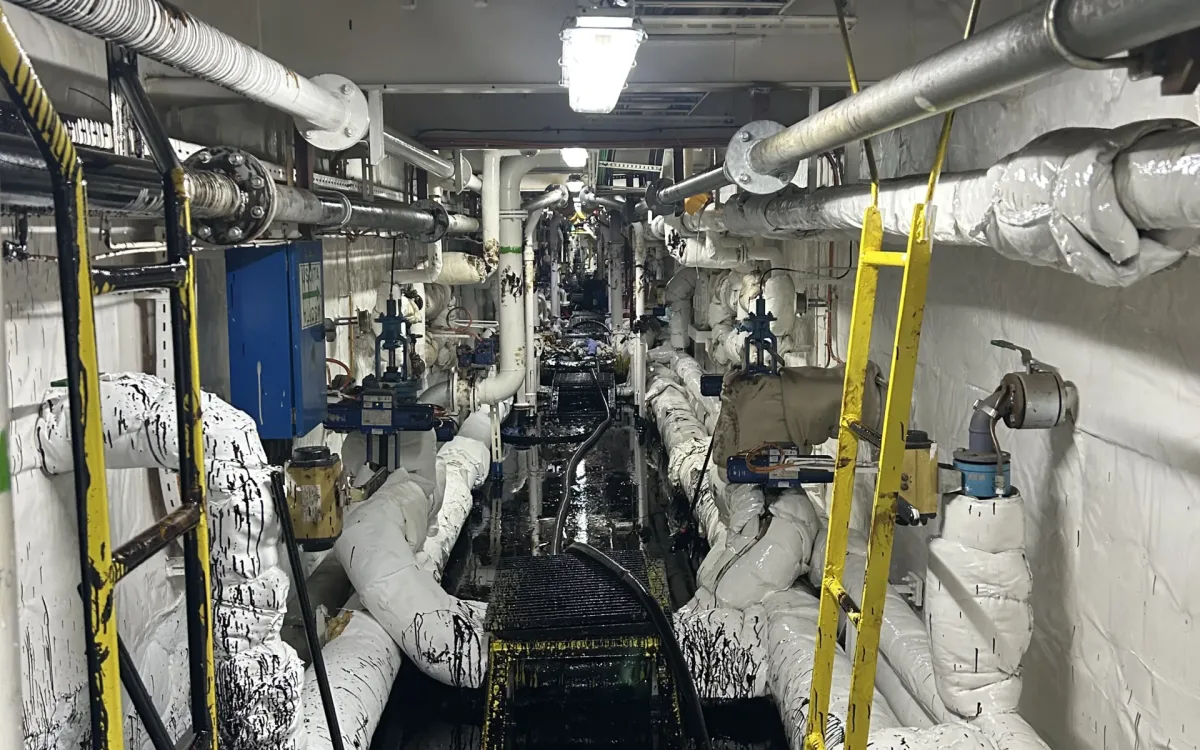
In February 2025, a major fuel leak aboard a commercial vessel required an extensive remediation operation to restore safety and operational conditions within the affected areas. The spill, caused by a failure in the engine fuel supply lines, impacted several internal compartments, resulting in significant accumulations of highly viscous fuel throughout corridors, technical rooms, and passageways. The project required a solution capable of operating effectively in confined spaces while ensuring rapid contaminant recovery and minimizing disruption to the vessel’s restoration activities.
Internal remediation
Case type
Commercial vessel
Site
Confined spaces
Scenario
Viscous fuel
Pollutant
Sector
.Challenge

Why was cleaning a vessel after a fuel spill so difficult?

Cleanup operations aboard a vessel present unique challenges, particularly when contamination affects enclosed and difficult-to-access areas. In this case, layers of fuel several centimeters thick covered internal surfaces, creating serious safety hazards for personnel and increasing the risk of slips, secondary contamination, and further spread of the product throughout the vessel.

The nature of the contaminant added another layer of complexity. Highly viscous fuels tend to adhere to surfaces and are considerably more difficult to remove than lighter hydrocarbons. Under these conditions, conventional collection and absorption systems often struggle to maintain effectiveness, making it essential to use materials capable of rapidly capturing and retaining large quantities of product.

1
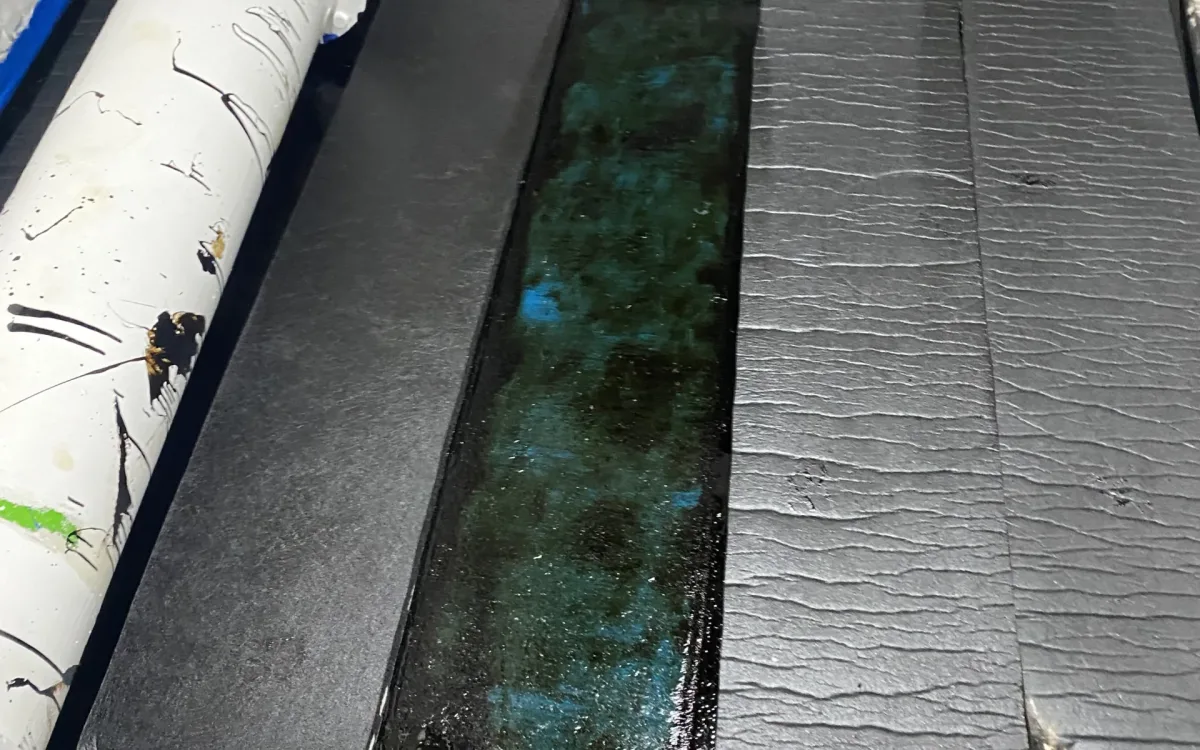
Absorbent carpets on the contaminated surface
2
Viscous fuel left on the floor
Field note · Reading the photo

The carpets (1) are laid around the viscous fuel (2) to absorb it from the floor, where layers several centimetres thick raise the risk of slipping. Wrung out and reused, they avoid bringing new material on board.

Field note · Reading the photo

The carpets (1) are laid around the viscous fuel (2) to absorb it from the floor, where layers several centimetres thick raise the risk of slipping. Wrung out and reused, they avoid bringing new material on board.

.Intervention

How was the spill managed onboard?

Working within a confined environment also introduced significant logistical constraints. The handling of contaminated materials, waste management requirements, and limited operational space demanded a solution that could reduce material replacement needs while maximizing efficiency throughout the remediation process.

A

Deploy the pads and the wringing system

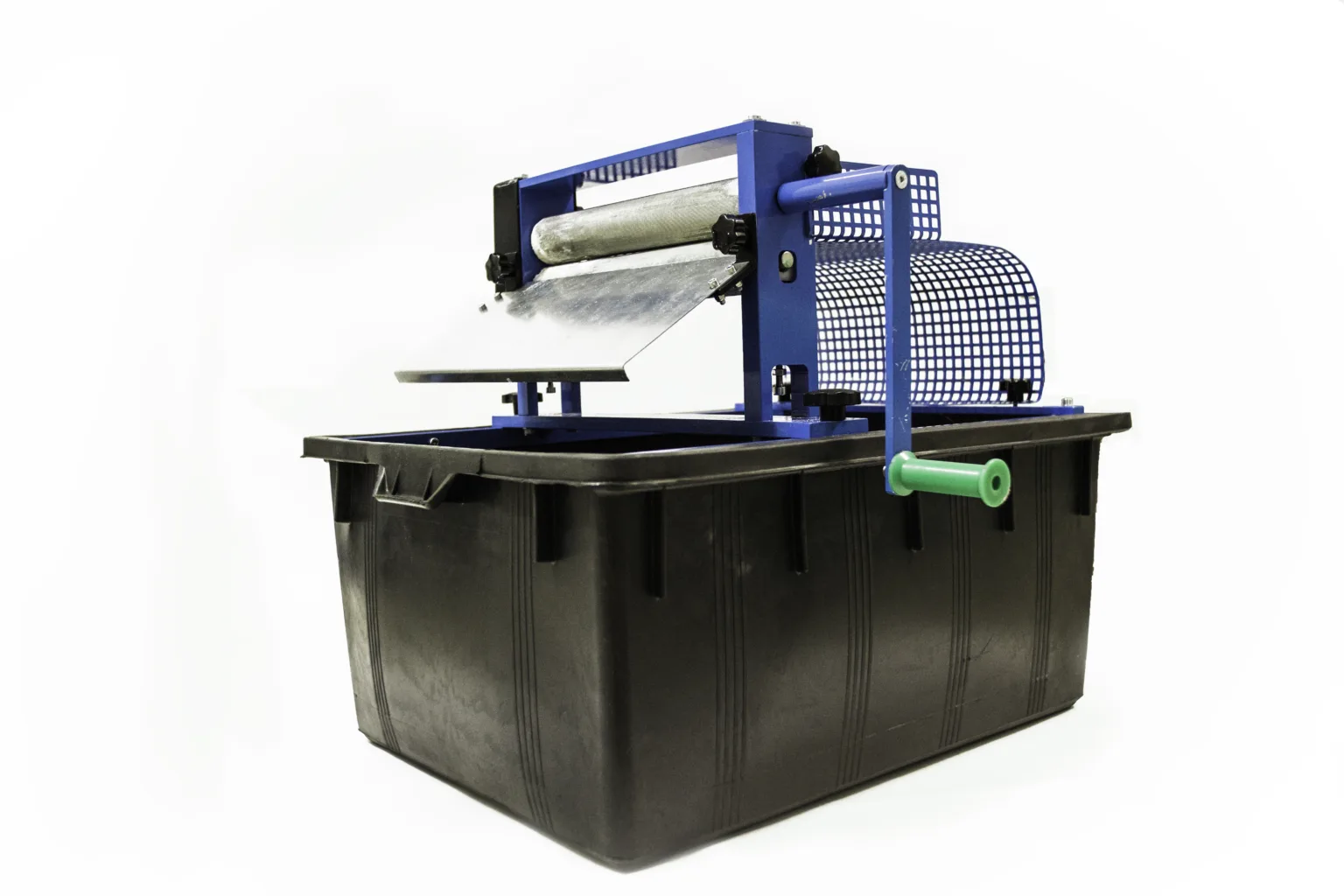
To manage the spill, FoamFlex CRP20 absorbent pads were deployed in combination with the FF15 wringing system.

B

Recover the fuel and extract the liquid

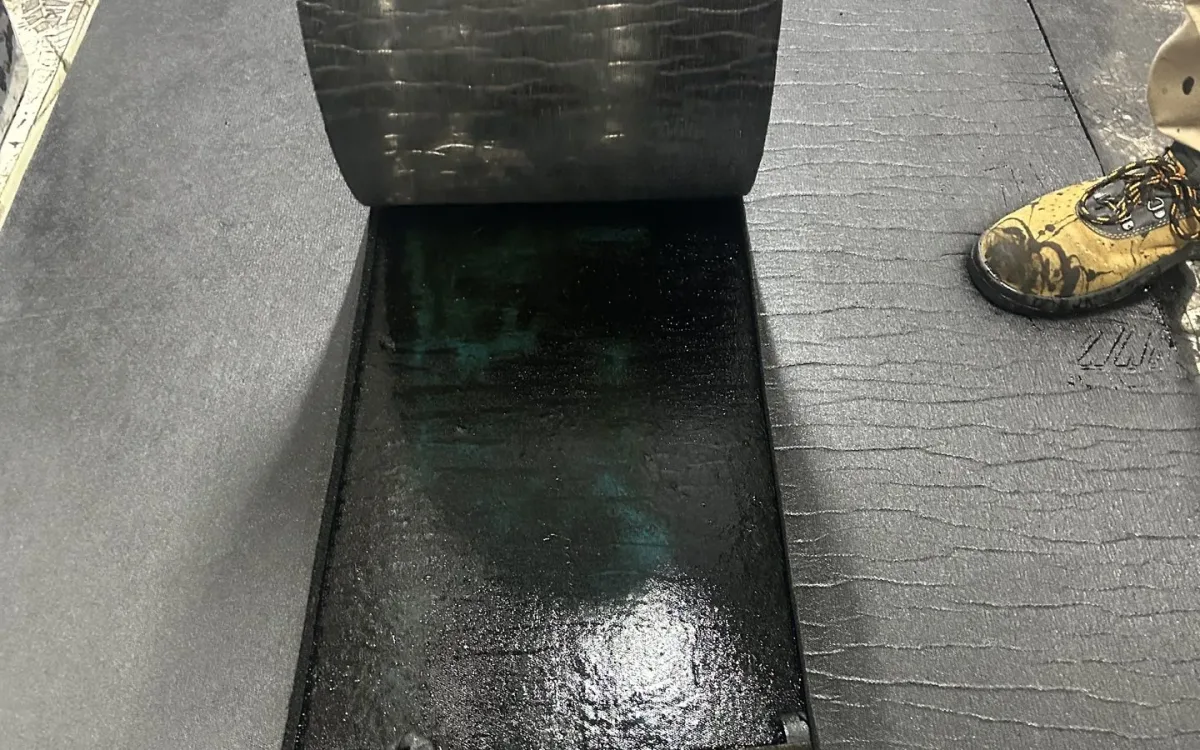
The absorbent pads were used to recover fuel directly from contaminated surfaces, while the FF15 system enabled operators to extract the absorbed liquid and reuse the same materials through multiple operational cycles.

C

Remove the contamination progressively

The ability of FoamFlex products to effectively retain highly viscous fuels allowed for the progressive removal of contamination and a rapid reduction in residual product across affected areas.

.Results

What did the pads and the wringing system achieve?

Fewer replacement materials on board

The reusability of the absorbent pads provided a major logistical advantage, reducing the need to continuously introduce replacement materials into the vessel and minimizing the volume of contaminated waste generated during the operation.

Shorter interventions, less solid waste

By combining hydrocarbon absorption with liquid recovery, the FoamFlex system helped reduce intervention times, improve operational efficiency, and significantly lower solid waste production, with the same pads wrung out and reused.

High performance in confined spaces

This project demonstrates how FoamFlex technologies can deliver high-performance results even in highly challenging environments, providing operators with an effective solution for hydrocarbon recovery in confined spaces and critical operational conditions.

.Products used

Which FoamFlex products were used onboard?

FoamFlex Carpet 2.0 (CRP20) and Manual Wringer FF (FF15).

Manual wringer for FoamFlex: fast reuse, no electricity needed, efficient oil recovery.

2.440,00 €incl. VAT
See how it works
Reusable

Reusable absorbent carpet with velcro and handles, ideal for all types of spills and compatible with FF-WRING.

Price range: 156,16 € through 268,40 €incl. VAT
.FAQ

Frequently asked questions

The intervention involved the internal remediation of a vessel following a spill of viscous fuel in confined onboard spaces.

The presence of dense fuel in confined environments made access and hydrocarbon recovery operations more difficult.

FoamFlex allowed operators to rapidly absorb and remove viscous hydrocarbons, simplifying the remediation process.

.Related cases

More case studies

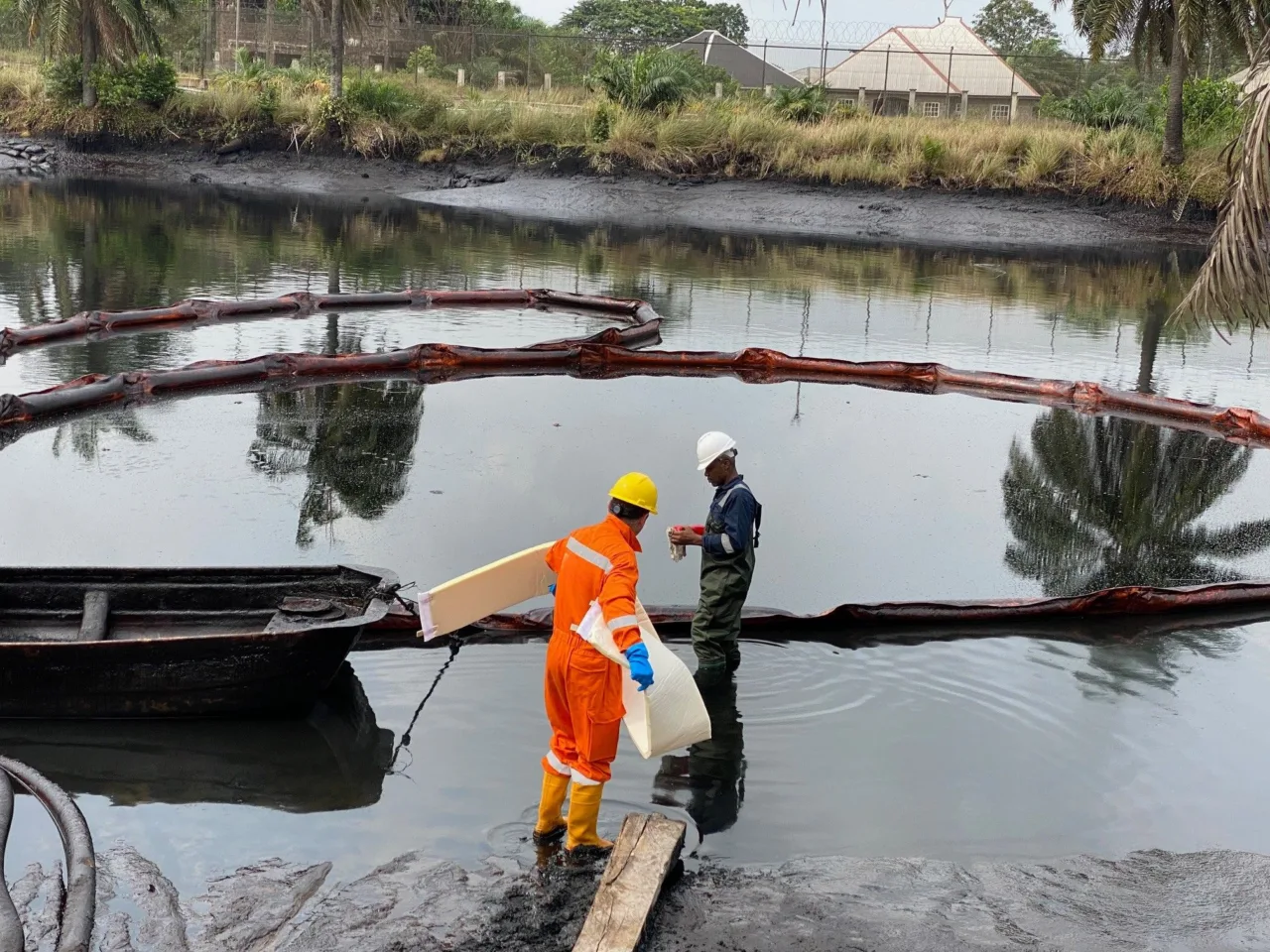
Nigeria | Industrial Remediation in the Oil & Gas Sector

Environmental remediation activities carried out in Nigeria involved oil & gas industrial sites affected by high levels of hydrocarbon contamination and widespread spills impacting both soil and water surfaces. Operating in such a challenging environment required a rapid response to contain pollutants while optimizing the management of materials used throughout the recovery process.
Read the case study →

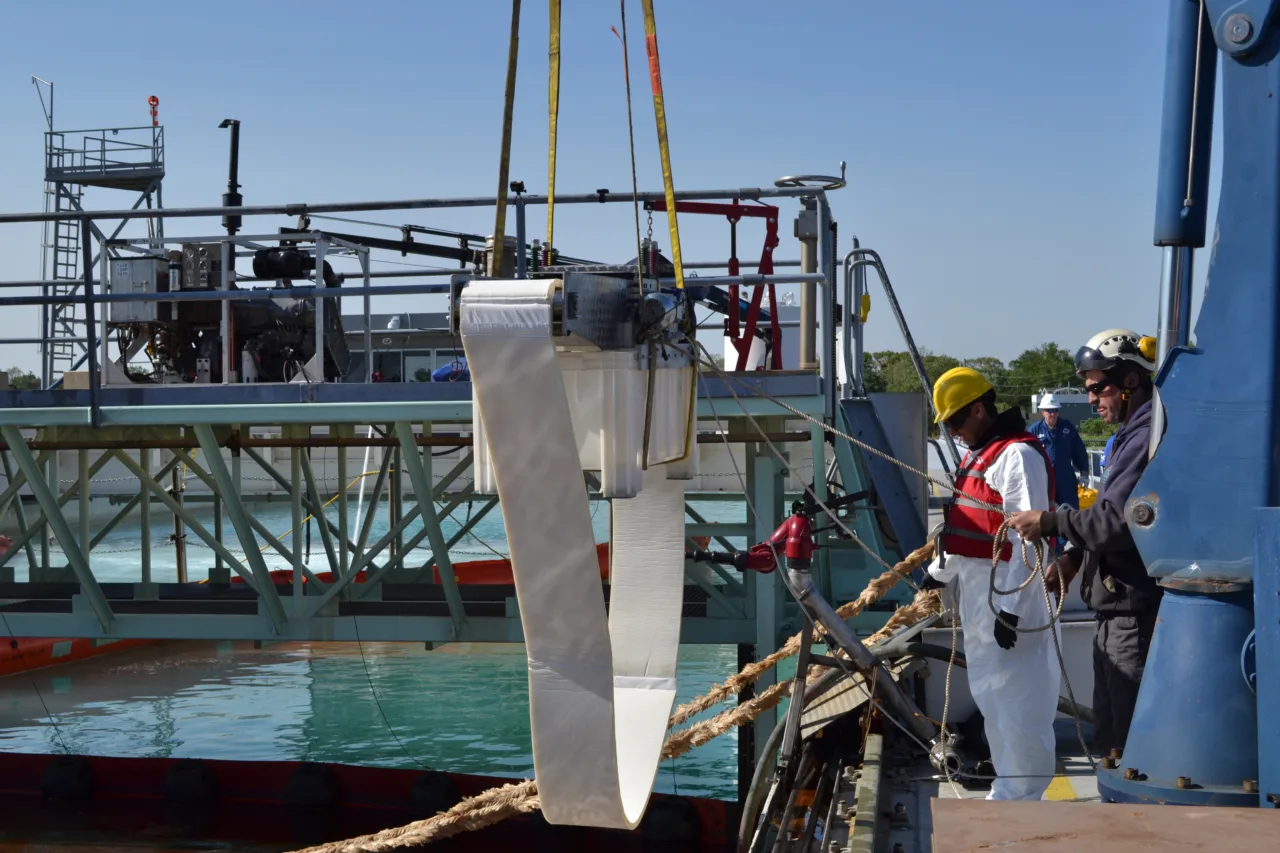
Ohmsett | International validation of FoamFlex technology

In May 2023, T1 Solutions participated in a demonstration program at OHMSETT, one of the world’s leading facilities dedicated to the research, testing, and validation of oil spill response technologies. The initiative marked an important milestone in the international validation process of FoamFlex technology, providing an opportunity to evaluate its performance within a highly respected testing environment recognized for its rigorous technical standards. The program enabled FoamFlex to be assessed under controlled conditions designed to replicate real-world spill response scenarios, while also allowing direct comparison with some of the most widely used technologies in the industry.
Read the case study →
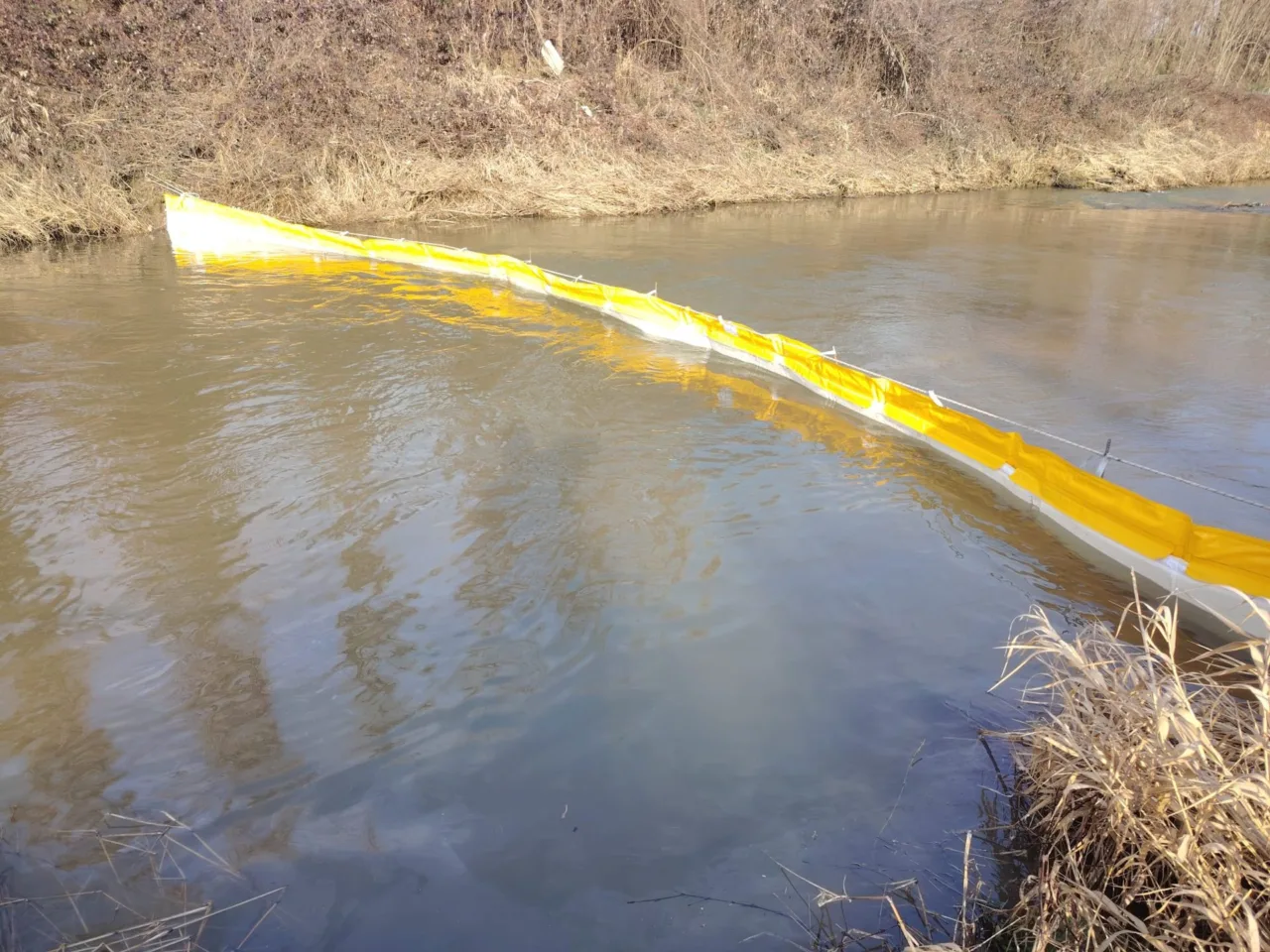
Yellow T1 barrier line floating diagonally across a watercourse to intercept surface hydrocarbons

Piossasco: oil spill barrier on a watercourse at a power plant

A hydrocarbon spill from a power plant at Piossasco, near Turin, reached a watercourse. A single T1 barrier line with FoamFlex contained the thin surface contamination, including iridescent sheen, after several lines of conventional barriers had given limited or no result.
Read the case study →

Talk to us about your own spill response

A T1 Solutions specialist helps you choose the right products for your site.