Case study · Proof of concept

Civate: fuel station oil spill control with FoamFlex absorbents

At a fuel station in Civate, hydrocarbons were reaching connected surface-water bodies. In a three-month proof of concept, FoamFlex absorbent devices intercepted the oily supernatant at its source and cut vacuum-truck runs from 5 per week to 1.
Proof of concept
Case type
Fuel station
Site
Oily supernatant
Pollutant
Source interception
Method
.Challenge

Why did vacuum-truck runs not solve it?

Before FoamFlex, the Civate fuel station needed vacuum-truck runs 5 times a week and frequent polypropylene replacement, and the problem was still not solved. The oily supernatant, including iridescent sheen, could travel downstream along a surface-water pathway. The goal was to intercept it at the source and stop it moving downstream.

The event in numbers
Vacuum-truck runs per week before FoamFlex
0
Run per week with FoamFlex
0
Control points, from the source to downstream
0
Months of proof of concept
0
.Intervention

How was the oil intercepted at the source?

The case moved from repeated downstream cleanup to interception at the source and stable control over time.

1

Map the control points

Five control points were set, from the source (Point 1) to downstream (Points 2-5).

2

Intercept at the source

FoamFlex absorbent devices at Point 1 captured the oil selectively, with strong containment already in place upstream.

3

Protect downstream

Preventive and corrective positions at Points 2-5 protected the water pathway. FoamFlex replaced the weekly polypropylene changes and lasted up to 1 month at the main source point and up to about 3 months at downstream safeguarding points.

.Results

What were the results?

Visible reduction

Visible reduction right after the first deployment. Higher selectivity and absorption than polypropylene and vacuum-truck-only management.

Fewer vacuum-truck runs

Vacuum-truck runs fell from 5 per week to 1 per week, with potential to eliminate them. Iridescent sheen at the downstream points dropped sharply once the source was controlled.

Less material and waste

Less material, less hazardous waste and less operating effort.

.Products used

Which products were used?

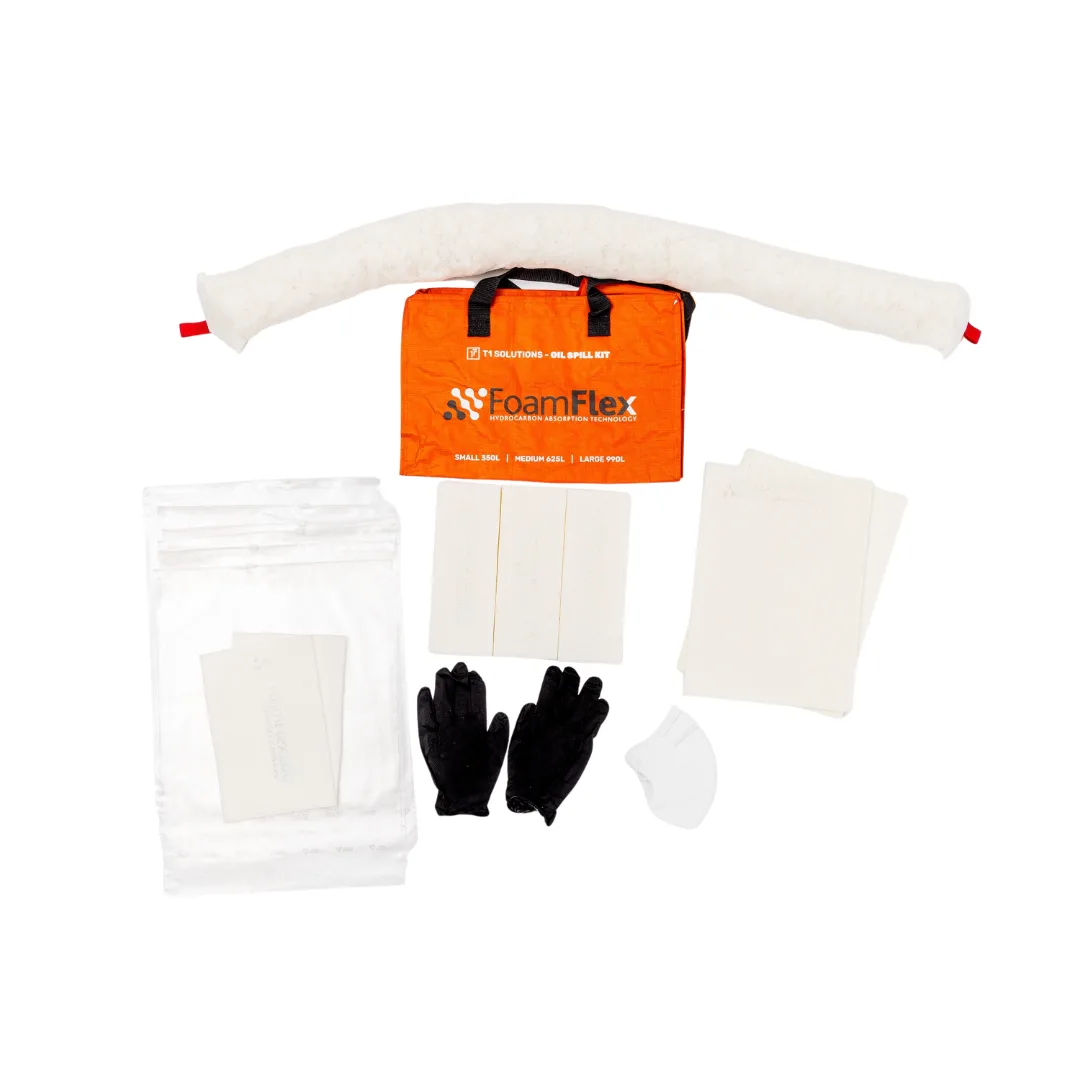
Products used in this intervention: Oil Spill Kit Medium – 625 L, FoamFlex Carpet 2.0.

Reusable

The Spill Kit Medium is ideal for targeted and localised small to medium-sized operations of up to 625 litres.

120,17 €incl. VAT
See how it works
Reusable

Reusable absorbent carpet with velcro and handles, ideal for all types of spills and compatible with FF-WRING.

Price range: 156,16 € through 268,40 €incl. VAT
.FAQ

Frequently asked questions

From 5 runs per week to 1 per week during the three-month trial, with potential to eliminate them.

At Civate, FoamFlex lasted up to 1 month at the main source point and up to about 3 months at downstream safeguarding points. It replaced weekly polypropylene changes.

Controlling the oily supernatant at Point 1 reduced the release and the iridescent sheen downstream. The case moved from repeated downstream cleanup to interception at the source.

.Related cases

More case studies

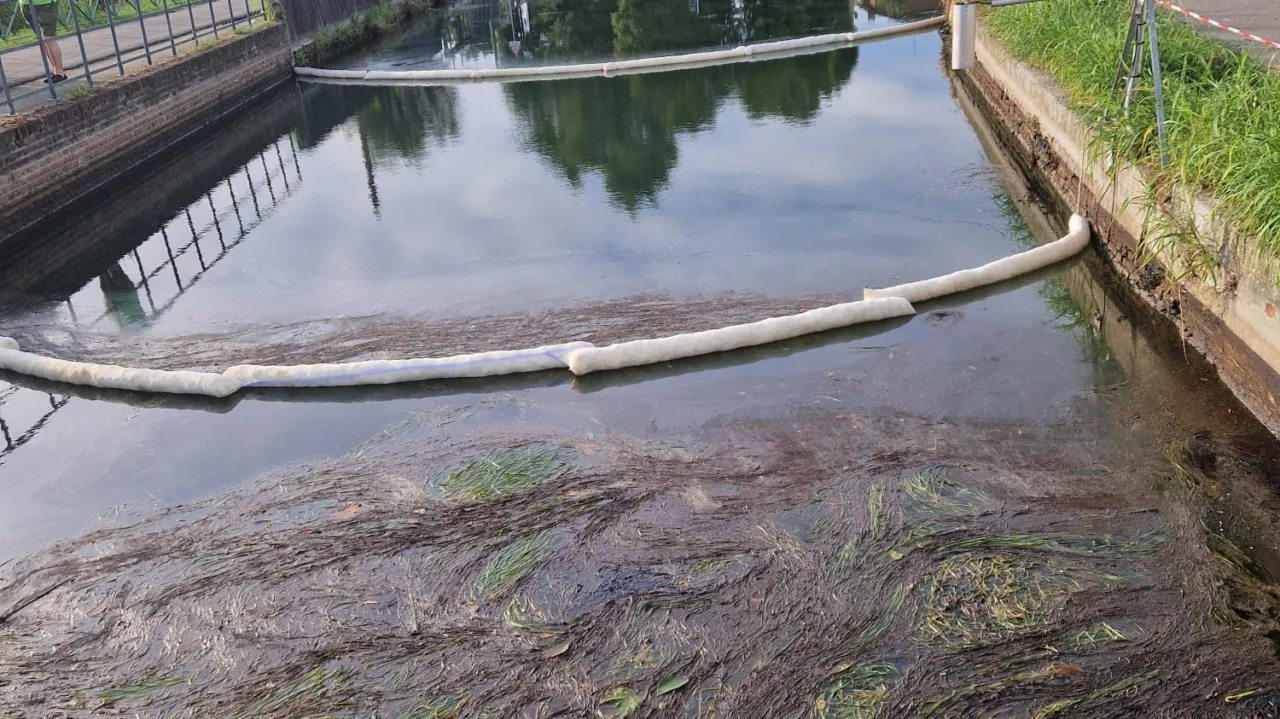
Two white absorbent lines stretched across a canal with a dark oil film and floating vegetation upstream

Canal oil spill at Abbiategrasso: FoamFlex absorbent lines on the Naviglio Grande

At Abbiategrasso, in the Milan area, a hydrocarbon spill hit the Naviglio Grande and Naviglio di Bereguardo canal system. Weathered oil had piled up at the lowered sluice gates and an iridescent sheen was spreading along the canal. T1 Solutions laid FoamFlex absorbent lines across the canal to intercept the sheen, while targeted manual and mechanical removal dealt with the solidified residues.
Read the case study →
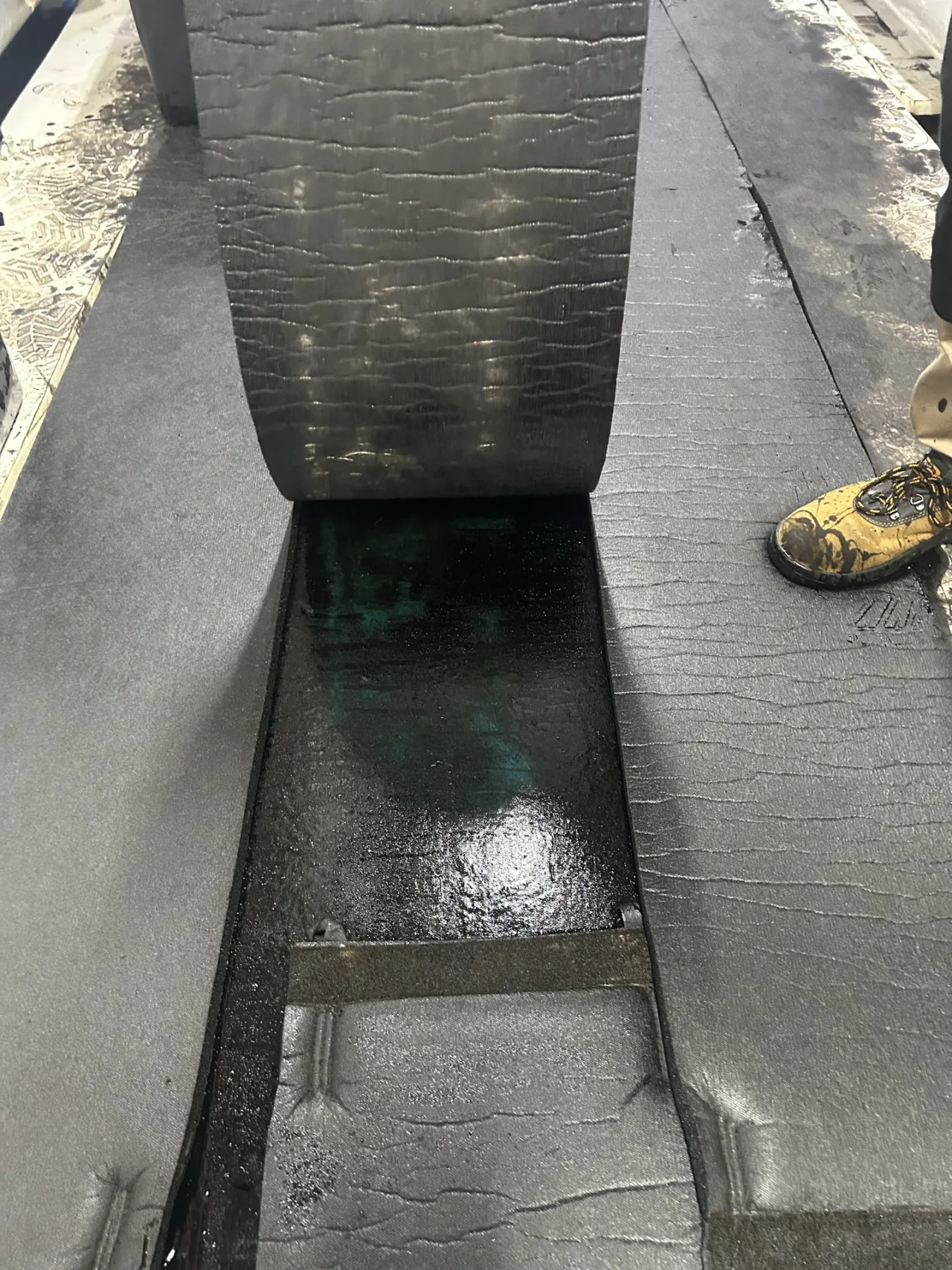
Absorbent carpet lifted to uncover the viscous fuel collected in the channel

Commercial Vessel | Internal Remediation After Major Spill

In February 2025, a major fuel leak aboard a commercial vessel required an extensive remediation operation to restore safety and operational conditions within the affected areas. The spill, caused by a failure in the engine fuel supply lines, impacted several internal compartments, resulting in significant accumulations of highly viscous fuel throughout corridors, technical rooms, and passageways. The project required a solution capable of operating effectively in confined spaces while ensuring rapid contaminant recovery and minimizing disruption to the vessel’s restoration activities.
Read the case study →

Refineries

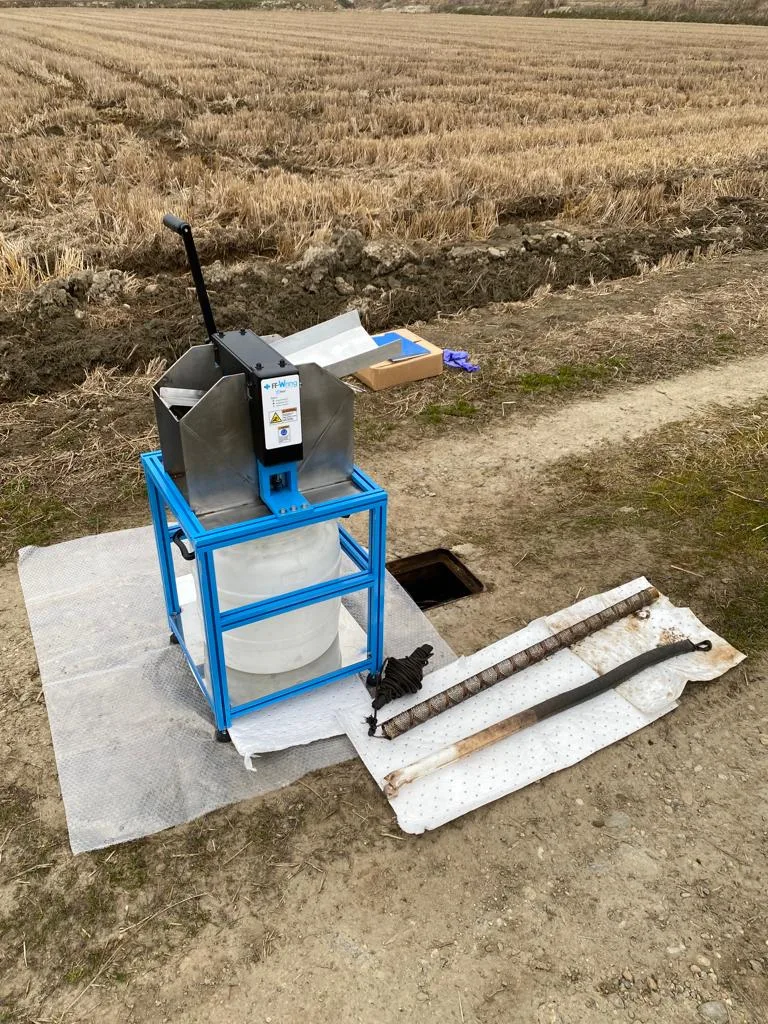
Experts, with customized systems, carried out inspection and maintenance activities, both ordinary and strategic. In the case of large refineries, the potentially contaminated surrounding territories extend for long stretches and must be all monitored in order to guarantee a complete supply throughout the area.
Read the case study →

Talk to us about your own spill response

A T1 Solutions specialist helps you choose the right products for your site.