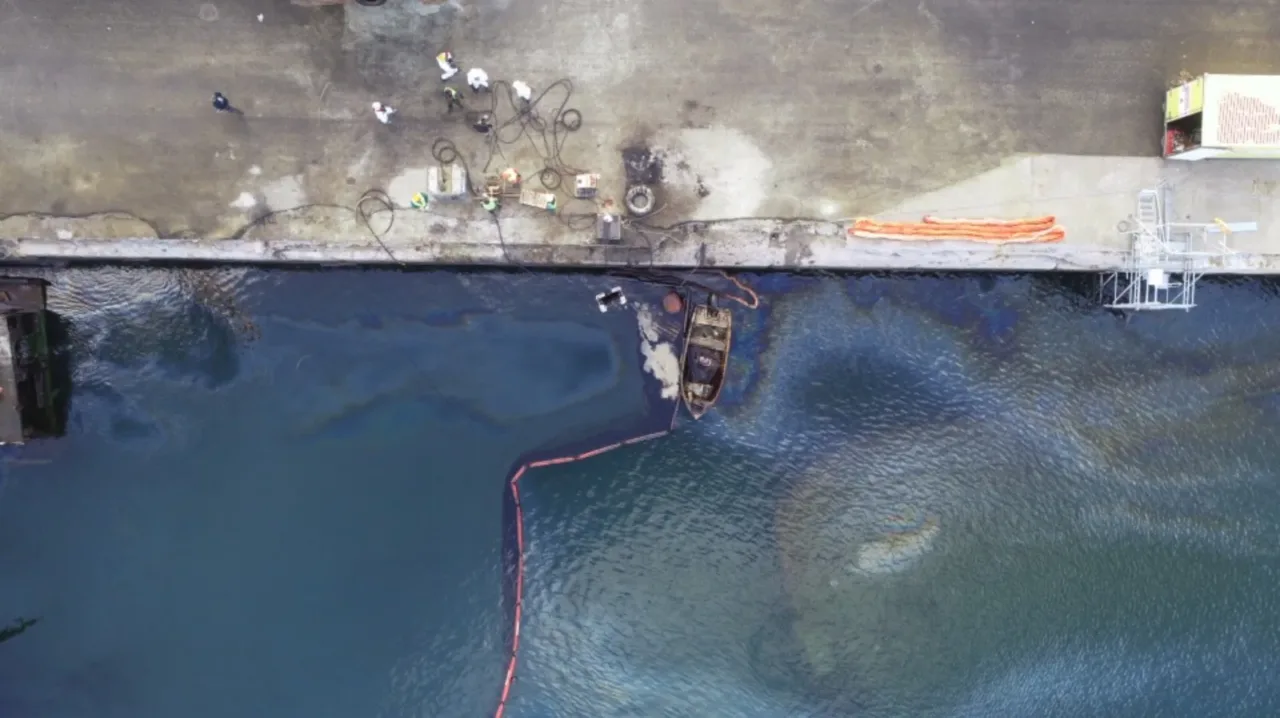
Oil spills represent one of the most disruptive forms of environmental contamination, with consequences that extend far beyond the initial release. While the immediate visual impact can be dramatic, the medium- and long-term effects of oil spills on the environment are far more severe. These events compromise soil quality, surface water, groundwater, coastal ecosystems and entire food chains.
This article consolidates the most reliable findings from NOAA, ITOPF, the U.S. EPA and other scientific analyses to present a clear and comprehensive overview of how oil spill effects on the environment develop over time and what determines their intensity. We also outline how early intervention (supported by effective oil spill solutions and proper containment) can significantly reduce long-term ecological damage.
Whether assessing short term environmental impacts of oil spills or the long-lasting disruptions that follow, the data show that recovery can take years – sometimes decades – without appropriate mitigation.
An oil spill is any unintentional release of crude oil or refined petroleum products into the environment. This definition applies to both aquatic and terrestrial ecosystems, meaning that spills can occur in water, in coastal zones or as oil spills on land. The term covers a broad range of events: from pipeline ruptures and tanker accidents to operational leaks and failures in secondary containment systems. Understanding what causes oil spills is fundamental to interpreting their full environmental impact.
Oil is harmful to the environment because:
Because of these properties, even relatively small spills can cause significant oil spill environmental impact.
Oil contamination on land is often underestimated, yet terrestrial spills have profound ecological and economic implications. Soil quality deteriorates rapidly when hydrocarbons penetrate the upper layers, and contamination can migrate toward vegetation, wildlife, and groundwater. The impacts of an oil spill on the environment depend partly on soil type, terrain and response time.
Spilled hydrocarbons reduce soil fertility by disrupting microbial communities essential for nutrient cycling. Research from the Washington State Department of Ecology shows that oil in soil reduces air circulation, blocks water infiltration and alters the physical structure of topsoil. Plants exposed to contaminated ground experience:
On a large scale, this affects crop productivity, forest regeneration and natural ecosystems. Contaminated vegetation may also transfer hydrocarbons into herbivorous species, influencing the broader food chain.
Terrestrial wildlife exposed to spills faces several challenges. Animals may come into direct contact with oil through contaminated surfaces, vegetation or water sources. This leads to hypothermia in mammals, impaired mobility, and difficulty for species that rely on scent cues or grooming. These oil spill effects on animals increase stress, reduce reproductive ability and often result in displacement from natural habitats.
Groundwater contamination is one of the most severe long-term consequences of land-based spills. Subsurface migration occurs when oil seeps downward through soil layers, reaching aquifers that may supply drinking water or irrigation systems. According to studies published by the U.S. Geological Survey, remediation of groundwater affected by petroleum hydrocarbons is technically complex and may require years of monitoring and treatment. Once pollution reaches deep aquifers, containment and cleanup become significantly more challenging.
Spills that reach coastal or marine environments cause extensive and long-lasting damage. Although this article focuses on general impacts rather than ocean-specific scenarios, it is important to note that petroleum affects multiple layers of marine ecosystems, from microorganisms to top predators. Many famous oil spills, including the Odyssey oil spill, demonstrate how contamination can persist for decades in sediments and coastal substrates.
Marine species are affected through direct contact, ingestion of contaminated prey or exposure to dissolved toxins. Fish, seabirds, marine mammals and invertebrates are all highly vulnerable. Mortality rates rise when oil coats feathers or fur, reducing insulation and buoyancy. Filter-feeding organisms ingest toxic droplets, and predators accumulate hydrocarbons in their tissues. These effects intensify oil spill effects on oceans, which extend beyond the initial event and influence population dynamics for years.
When oil spreads on the water surface, light penetration decreases, reducing photosynthesis in algae and submerged plants. This disturbs primary productivity and impacts microorganisms essential to the marine food web. Scientific analyses published in Marine Pollution Bulletin indicate that reduced light availability persists for weeks or months after significant spills. Chemical byproducts of oil degradation further affect water chemistry, increasing toxicity for many species.
Coastal zones, including marshes, beaches and coral systems, are highly sensitive to petroleum contamination. Oil adherence to sediments slows natural recovery, and cleanup efforts often require manual removal or controlled flushing. Sensitive habitats may take years to regain biological function. Corals, in particular, exhibit long-term declines in growth and reproduction after exposure to hydrocarbons. Because many coastal areas are nurseries for marine species, the long-term impact extends through the entire food chain.
Recovery time varies significantly based on spill size, oil type, habitat characteristics and response efficiency. According to ITOPF, small spills in high-energy environments may recover within months, while major spills affecting low-energy shorelines or complex habitats may require years. In some documented cases involving persistent oils, traces remained detectable for decades. Large-scale contamination can fundamentally alter ecosystem composition and biodiversity.
The most effective way to minimise environmental damage is through rapid containment and recovery. Understanding how to prevent oil spills is essential, but preparedness is equally important. Response operations rely on a combination of structural and portable tools such as:
These tools help limit contamination and protect sensitive environments. Selecting appropriate equipment depends on where oil spills happen, the type of oil released and prevailing weather conditions. Using effective oil spill solutions in the early stages of a spill can reduce long-term impacts substantially.
Oil spills affect ecosystems in ways that extend far beyond the initial release. Soil quality, groundwater, marine life and coastal habitats can suffer sustained degradation. These impacts influence biodiversity, disrupt ecological functions and affect food chains at multiple levels.
Understanding the effects of oil spills is essential for planning, preparedness and effective environmental management. Combining robust prevention strategies with rapid response tools helps reduce the oil spill environmental impact and supports long-term ecological resilience.
Yes. Hydrocarbons can migrate into groundwater aquifers and surface water bodies, making water unsafe for human use without extensive treatment.
Yes. Oil spreads more widely in saltwater due to differences in density and salinity, while freshwater environments may retain contaminants longer in sediments.
Large-scale contamination may alter reproductive cycles, reduce species populations and disrupt food chains, causing long-term ecological shifts.
Wind, currents and temperature influence oil movement, evaporation and emulsification. High-energy conditions may disperse oil, while cold or calm conditions prolong persistence.
Complete removal is uncommon. Most spills leave residual hydrocarbons in sediments or soils, but effective response actions can significantly reduce long-term harm.
NOAA Office of Response and Restoration – “How Can a Spill Affect Your Community?”
ITOPF – “Environmental Effects of Oil Spills”
Washington State Department of Ecology – “Ecological Effects of Oil on Shorelines”
When oil spills occur, fast action is critical. Test 1 Solutions offers FoamFlex reusable absorbents for oil spill response. Whether you’re cleaning oil spills in the ocean or on land, FoamFlex absorbs up to 34 times its weight and can be wrung out and reused up to 200 times.
You need to load content from reCAPTCHA to submit the form. Please note that doing so will share data with third-party providers.
More InformationYou are currently viewing a placeholder content from Turnstile. To access the actual content, click the button below. Please note that doing so will share data with third-party providers.
More InformationYou are currently viewing a placeholder content from Vimeo. To access the actual content, click the button below. Please note that doing so will share data with third-party providers.
More InformationYou are currently viewing a placeholder content from YouTube. To access the actual content, click the button below. Please note that doing so will share data with third-party providers.
More InformationYou need to load content from reCAPTCHA to submit the form. Please note that doing so will share data with third-party providers.
More InformationYou are currently viewing a placeholder content from reCAPTCHA. To access the actual content, click the button below. Please note that doing so will share data with third-party providers.
More Information