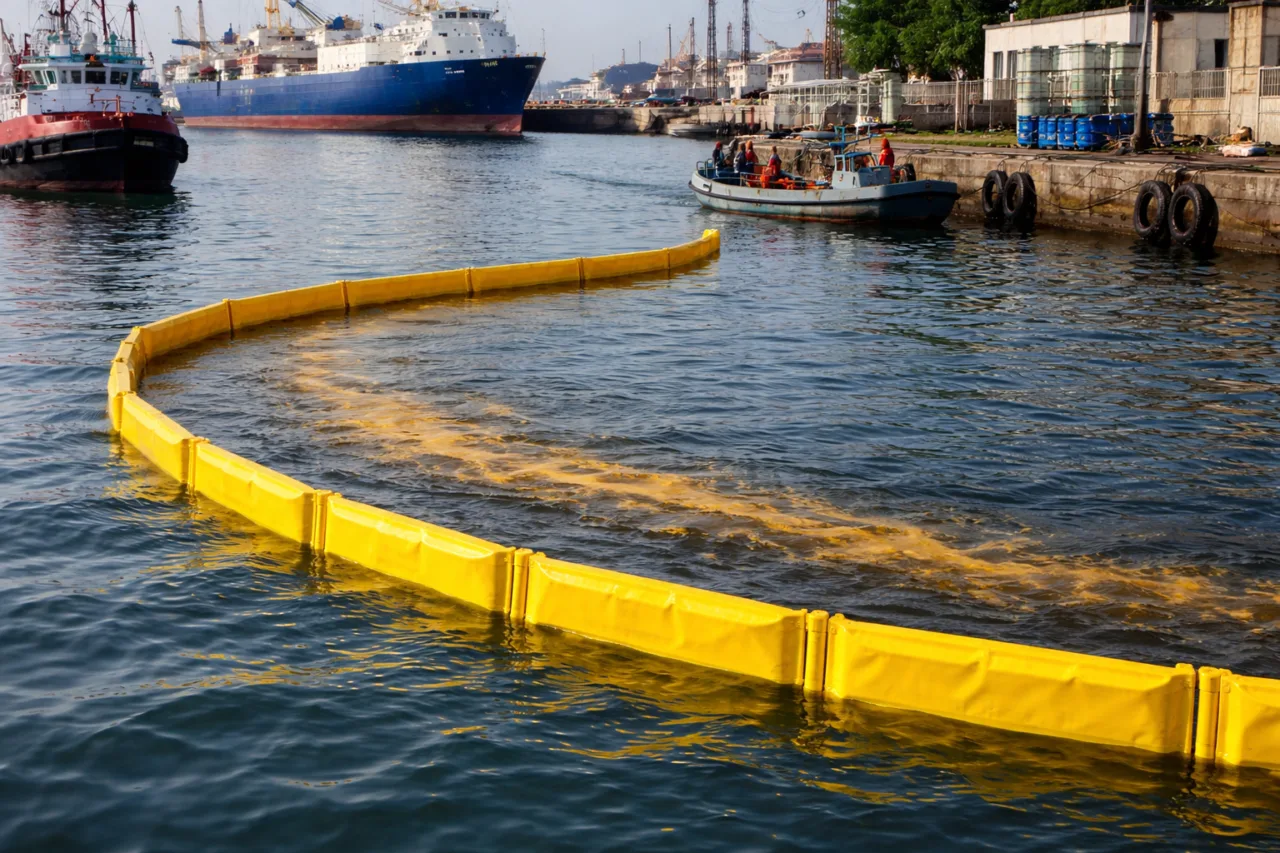
Oil spills are among the most serious environmental incidents affecting oceans, coastlines and even land-based ecosystems. In this article, we take a deep dive into oil spill solutions, look at reliable data and charts from recent studies, and show how oil spills occur, why they happen and, most importantly, how we can avoid them. We’ll explore three main categories of causes, illustrate with real-world examples, and provide actionable advice for prevention. Whether you are in marine operations, onshore infrastructure, or regulatory oversight, this guide will give you a strong, data-backed foundation on why oil spills happen and what you can do about it.
Human and operational mistakes remain one of the dominant drivers of oil spill incidents. In other words: what causes oil spills often lies in everyday activities, equipment failures and systemic gaps.
To reduce the chance of an accidental or human-caused spill:
According to one review, 30-50% of oil spill incidents are directly or indirectly caused by human error, and 20-40% of spills are due to equipment failure or malfunction. This highlights how critical the human element remains.
While human actions account for the majority of incidents, nature still plays a role. Understanding what causes oil spills in the ocean from natural phenomena helps broaden our prevention view.
A study has found that natural hazards can trigger oil spills via damage to technological facilities, underlining that even natural causes often act via infrastructure vulnerability.
Beyond accidental and natural events, there is a third major category: intentional or deliberate actions. These are less frequent but often highly visible and politically or economically significant.
When a spill happens, having the right tools matters. Investing in proper equipment not only speeds response but also mitigates long-term damage and liability. At T1 we provide premium systems for oil spill mitigation and recovery, leveraging high-performance products such as FoamFlex absorbents and full‑suite spill kits designed for marine and onshore environments.
Choosing the right equipment depends on the environment (where oil spills happen), oil type, weather conditions and response time. At Test 1 Solutions we feature oil spill absorbent materials and FoamFlex products that offer high absorbency, reusability and quick containment, essential in both oil spills on land and water.
Even the best human and technical systems can fail, so having the right gear on-hand remains a cornerstone of effective spill prevention and mitigation.
To recap:
Remember: knowing why oil spills happen is only the first step. The real progress lies in bridging that knowledge into how to prevent oil spills, how to deploy correct oil spill solutions when necessary, and how to build resilient systems across operations, nature and governance.
Yes, equipment failure (such as a pipeline rupture, valve malfunction, or tank collapse) is one of the major causes of accidental oil spills. Studies estimate that 20-40% of spills are attributable to such failures.
Transportation accidents include tanker collisions, groundings, loading/unloading accidents, ship anchor damage, pipeline crossings beneath rivers, and rupture of storage tanks at ports. These accidents often lead to large-volume spills.
Poor maintenance leads to weakened infrastructure, leaking seals, corroded pipelines, aging valves, all making release more likely. Regular inspection, corrective maintenance and monitoring systems are essential to prevent these scenarios.
No. Some oil spills are intentional or deliberate, such as illegal discharges, sabotage, or acts of war. These may be less frequent but still pose serious environmental and regulatory risks.
Industries at higher risk include offshore oil & gas exploration, marine shipping and tanker operations, pipelines (especially those crossing difficult terrain or water bodies), coastal storage terminals, and inland storage/distribution facilities.
Hettithanthri O., et al. “A review of oil spill dynamics: Statistics, impacts…” (2024).
Yedla B., et al. “A comprehensive analysis of impacts of accidental oil spills” (2025).
Petrova E.G. “Accidents with Oil Spills Triggered by Natural Hazards”.
Jernelöv A., “The Threats from Oil Spills: Now, Then, and in the Future.” PMC (2010).
When oil spills occur, fast action is critical. Test 1 Solutions offers FoamFlex reusable absorbents for oil spill response. Whether you’re cleaning oil spills in the ocean or on land, FoamFlex absorbs up to 34 times its weight and can be wrung out and reused up to 200 times.
You need to load content from reCAPTCHA to submit the form. Please note that doing so will share data with third-party providers.
More InformationYou are currently viewing a placeholder content from Turnstile. To access the actual content, click the button below. Please note that doing so will share data with third-party providers.
More InformationYou are currently viewing a placeholder content from Vimeo. To access the actual content, click the button below. Please note that doing so will share data with third-party providers.
More InformationYou are currently viewing a placeholder content from YouTube. To access the actual content, click the button below. Please note that doing so will share data with third-party providers.
More InformationYou need to load content from reCAPTCHA to submit the form. Please note that doing so will share data with third-party providers.
More InformationYou are currently viewing a placeholder content from reCAPTCHA. To access the actual content, click the button below. Please note that doing so will share data with third-party providers.
More Information