Commercial Vessel | Internal Remediation After Major Spill

Removal of viscous fuel in confined environments

.Overview
In February 2025, a major fuel leak aboard a commercial vessel required an extensive remediation operation to restore safety and operational conditions within the affected areas. The spill, caused by a failure in the engine fuel supply lines, impacted several internal compartments, resulting in significant accumulations of highly viscous fuel throughout corridors, technical rooms, and passageways. The project required a solution capable of operating effectively in confined spaces while ensuring rapid contaminant recovery and minimizing disruption to the vessel’s restoration activities.

Onboard remediation operation

Cleanup operations aboard a vessel present unique challenges, particularly when contamination affects enclosed and difficult-to-access areas. In this case, layers of fuel several centimeters thick covered internal surfaces, creating serious safety hazards for personnel and increasing the risk of slips, secondary contamination, and further spread of the product throughout the vessel.

The nature of the contaminant added another layer of complexity. Highly viscous fuels tend to adhere to surfaces and are considerably more difficult to remove than lighter hydrocarbons. Under these conditions, conventional collection and absorption systems often struggle to maintain effectiveness, making it essential to use materials capable of rapidly capturing and retaining large quantities of product.

Working within a confined environment also introduced significant logistical constraints. The handling of contaminated materials, waste management requirements, and limited operational space demanded a solution that could reduce material replacement needs while maximizing efficiency throughout the remediation process.

The solution

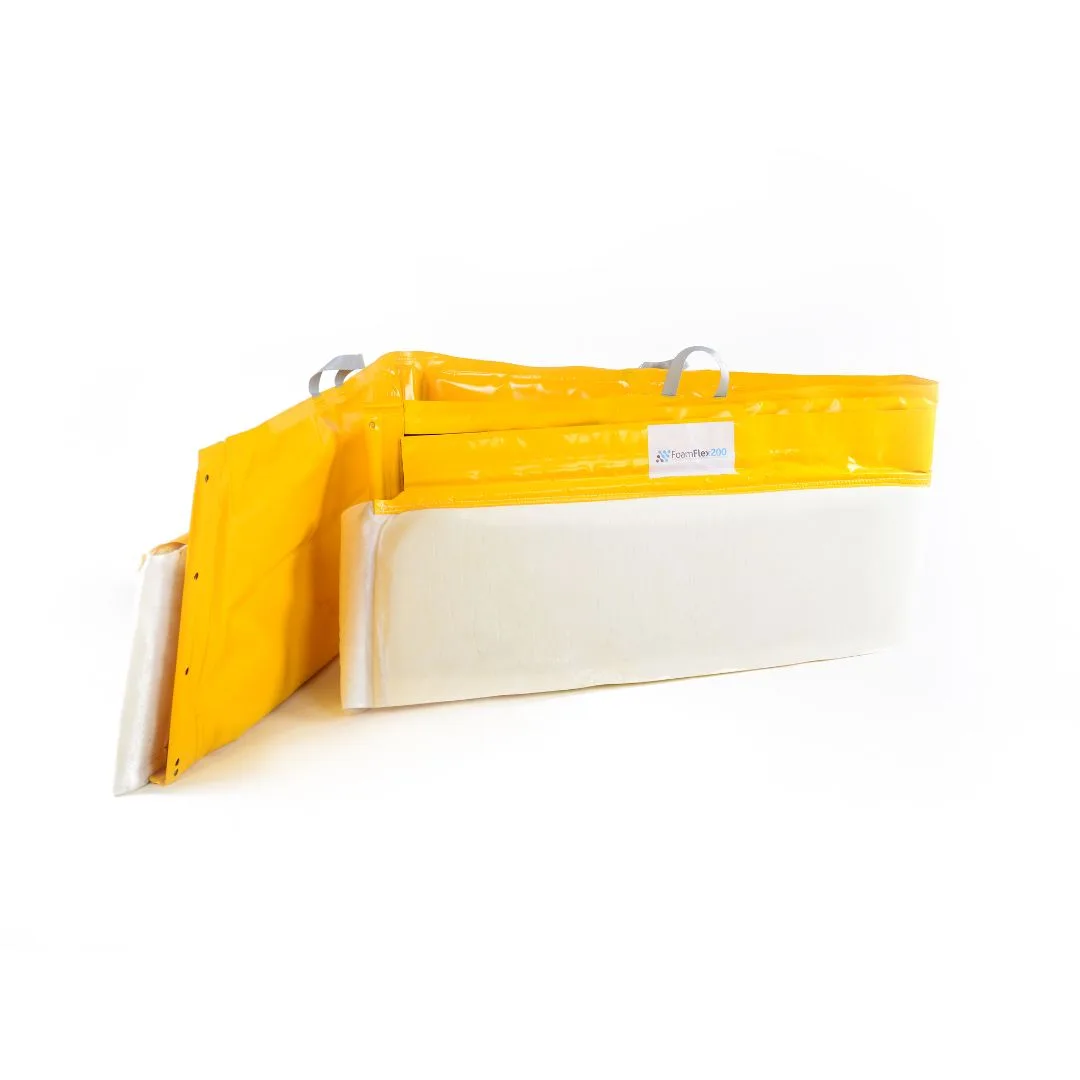
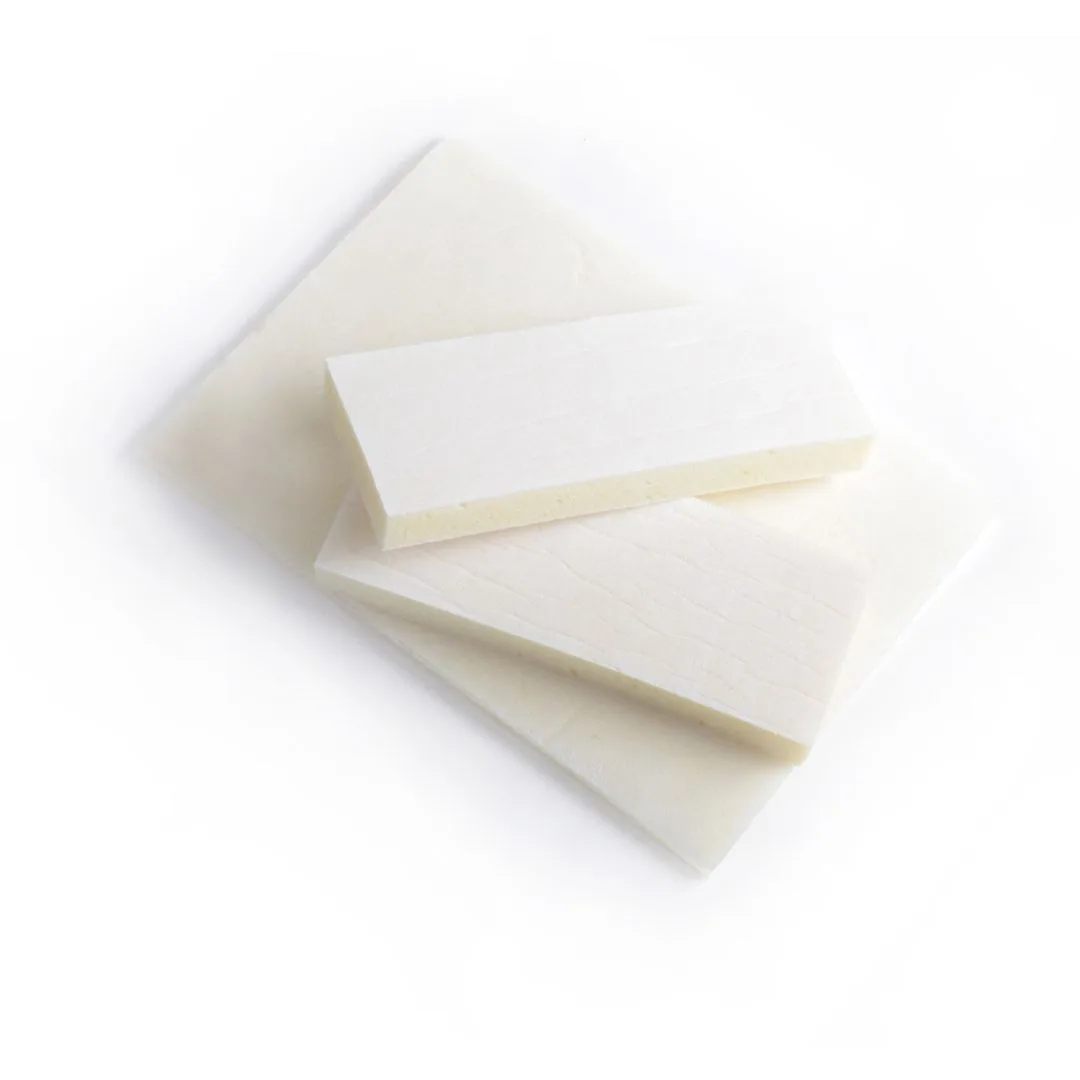
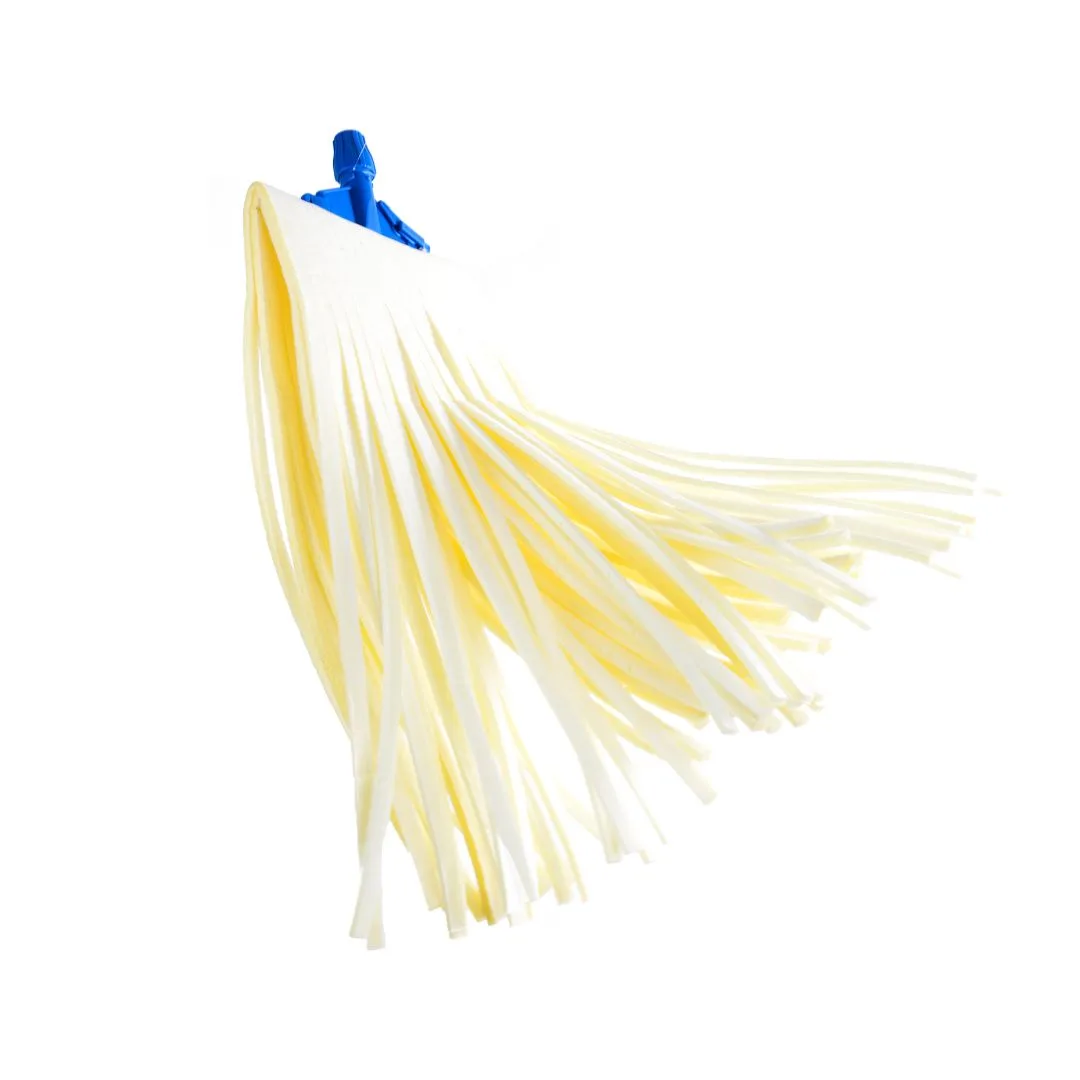
To manage the spill, FoamFlex CRP20 absorbent pads were deployed in combination with the FF15 wringing system. The absorbent pads were used to recover fuel directly from contaminated surfaces, while the FF15 system enabled operators to extract the absorbed liquid and reuse the same materials through multiple operational cycles.

The ability of FoamFlex products to effectively retain highly viscous fuels allowed for the progressive removal of contamination and a rapid reduction in residual product across affected areas. The reusability of the absorbent pads provided a major logistical advantage, reducing the need to continuously introduce replacement materials into the vessel and minimizing the volume of contaminated waste generated during the operation.

By combining hydrocarbon absorption with liquid recovery, the FoamFlex system helped reduce intervention times, improve operational efficiency, and significantly lower solid waste production, supporting a more sustainable remediation process. This project demonstrates how FoamFlex technologies can deliver high-performance results even in highly challenging environments, providing operators with an effective solution for hydrocarbon recovery in confined spaces and critical operational conditions.

FAQs

The intervention involved the internal remediation of a vessel following a spill of viscous fuel in confined onboard spaces.

The presence of dense fuel in confined environments made access and hydrocarbon recovery operations more difficult.

FoamFlex allowed operators to rapidly absorb and remove viscous hydrocarbons, simplifying the remediation process.

.Gallery
FoamFlex a know-how
of infinite solutions.

When oil spills occur, fast, sustainable action is critical. T1 Solutions offers advanced, eco-conscious oil spill solutions designed for real-world impact. Whether you’re cleaning oil spills in the ocean or on land, our reusable absorbent technology offers both environmental and economic advantages, making cleanup efficient and responsible.