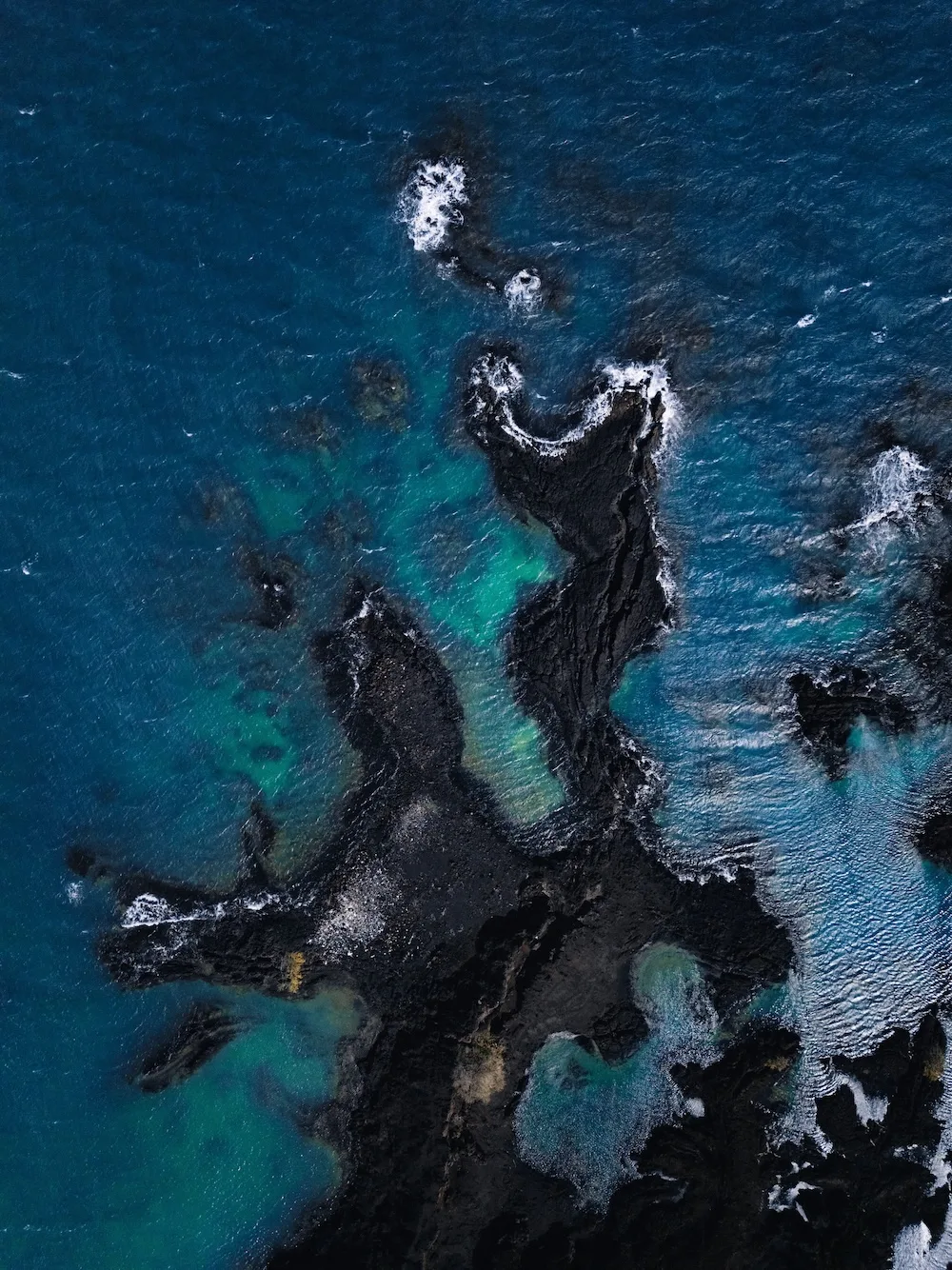
Oil spills remain one of the most disruptive events that can occur across global waters. They alter open-ocean processes, damage coastal areas connected to the spill zone, and affect economic activities that depend on clean and stable marine conditions.
In this article, we explore how oil spills affect oceans, which mechanisms drive that impact, and what science and historical data tell us today. We reviewed authoritative sources (NOAA, ITOPF, academic studies, and governmental assessments) to provide a clear, long-term view of how oil behaves in ocean systems and why cleanup demands both speed and the right oil spill solutions.
Oil spills do not only affect natural systems; they disrupt every major economic activity taking place on the water. Ocean-dependent industries rely on a stable, predictable environment; when petroleum spreads across the surface or disperses into the water column, entire regions can be affected for weeks, months, or even years.
Commercial fisheries are highly sensitive to contamination. After many famous oil spills, authorities often close entire fishing areas because oil quickly binds to sediments, enters the gills of fish, and accumulates in shellfish. During the Amoco Cadiz and Deepwater Horizon incidents, large offshore zones were shut down, creating severe economic losses for local communities.
Aquaculture suffers similarly. Even a thin surface sheen can reduce oxygen exchange, affecting open-water pens and hatcheries. When hydrocarbons enter the water column, larvae and juveniles – especially those that live near the surface – may be exposed to toxic concentrations. These disruptions can last long after the spill is no longer visible.
Tourism and recreational industries depend on clear waters and safe coastlines. When oil reaches beaches connected to an offshore spill, it creates visual pollution, strong odors, and slippery, hazardous surfaces. Resorts, ports, dive centers, and boating businesses often face immediate cancellations.
After the Odyssey oil spill, for example, surface slicks traveled long distances due to winds and currents, demonstrating how far contamination can reach from an offshore accident. Such incidents increase public concern and drastically affect tourism revenue.
Thick oil layers can reduce vessel maneuverability, clog water-intake systems, and damage engines. Offshore platforms, shipping lanes, and port activities may halt when operational visibility and surface conditions become unsafe.
Oil can also interfere with navigational equipment and anchoring systems, raising risks for rescue operations. Historical ITOPF reports note that during several spill emergencies, vessels could not approach the accident site due to dense flames, poor visibility, or explosive vapors, delaying mitigation efforts.
Oil spreads across the ocean in complex ways: it can float, disperse, emulsify, sink, or attach to sediments depending on its density and the turbulence of the water. These processes create long-lasting changes to habitats that form the foundation of ocean life.
Coral reefs are extremely vulnerable to oil exposure. Because oil reduces the amount of light reaching the seafloor, corals struggle to photosynthesize. When smothered by oil mixed with sediments, they can experience bleaching, decreased reproduction, or total mortality.
Oil that sinks – particularly heavy crude – can settle on the seabed and create persistent contamination. This occurred in several offshore spills where submerged tar mats remained detectable for years, affecting organisms such as sea cucumbers, starfish, and benthic fish.
Mangroves and coastal wetlands may technically sit at the land–ocean interface, but they act as ocean guardians, filtering water and stabilizing coastlines. When oil enters these environments, the damage is often severe and long-term.
Oil coats mangrove roots, blocking gas exchange and killing large areas of vegetation. Wetlands trap oil within sediments where it can persist for years, gradually leaking back into the water. These habitats are also crucial corridors for species that depend on both ocean and coastal waters.
A surface slick acts like a barrier:
This decline affects phytoplankton, the microscopic organisms that power marine food webs. A disruption at this level can propagate upward, weakening entire ocean ecosystems.
Academic studies from NOAA and peer-reviewed assessments show that reduced light penetration and altered nutrient flows can persist months after a spill occurs, especially during large discharges.
Oil alters life for organisms that rely on the surface, mid-water, and deep-water zones.
Oil contains hydrocarbons that dissolve into seawater. Many pelagic species ingest these compounds accidentally while feeding or breathing. The toxic effects can include physiological stress, reduced mobility, impaired reproduction, and – in severe cases – mortality. These mechanisms partly explain why oil spill effects on animals remain one of the primary scientific concerns after any major offshore spill.
Species that rely on the ocean surface are the most exposed. Seabirds lose waterproofing when oil coats their feathers; marine mammals may experience difficulty swimming, thermoregulation issues, or ingestion of contaminated prey.
Historical documentation from NOAA and ITOPF indicates that during large offshore accidents, the number of affected surface-dependent species often climbs rapidly within the first few days.
When microorganisms, plankton, or small fish decline due to oil exposure, the entire food chain is affected. This process can last long after the spill has dispersed. The disruption has been observed in multiple spills, including cases linked indirectly to offshore releases and even events occurring far from where oil spills happen.
Cleaning up ocean spills demands a combination of containment, collection, and absorption, adapted to wave energy, currents, oil type, and weather conditions.
Modern responses rely on:
Some ocean spills originate from operations based on oil spills on land, proving how essential full-site prevention and preparedness are across both environments.
Test1 contributes with high-performance materials that support these strategies and help industrial operators improve spill response readiness.
There is no universal timeline. Cleanup depends on:
Minor slicks may take days or weeks to remove. Large, complex incidents (especially those resembling the effects of oil spills seen in deep-water blowouts) can take years to fully remediate. The presence of resilient tools and skilled responders can shorten this window and reduce long-term damage.
Oil spills in oceans disrupt economies, habitats, and interconnected marine systems. They reduce light penetration, damage coral structures, affect global fisheries, impair transport, and ripple across food chains. Understanding what causes oil spills, how oil behaves in the ocean, and which tools help reduce contamination is essential to improving global response capacity.
Equipment readiness, strong prevention strategies, and continuous monitoring are key steps in how to prevent oil spills and reduce long-lasting consequences. For organizations operating where offshore risks are present, preparedness is not optional; it is central to safeguarding waters for the long term.
Beaches can experience tarballs, oil sheets, and contaminated sediments carried by waves and currents. Cleanup may require manual removal or mechanical equipment.
Fishing grounds may be closed due to contamination risks. Oil affects larvae, juveniles, and adult species, leading to reduced catch and economic losses.
Light oils may disperse within weeks, but heavy oils and emulsions can persist for years on the surface, in the water column, or within sediments.
Contaminated waters and beaches lead to cancellations, reduced tourism activity, and long-term damage to local economies.
Light reduction, oxygen loss, and hydrocarbon toxicity alter plankton populations, coral structures, and deeper benthic communities.
NOAA – Office of Response and Restoration: Oil spill science and historical spill assessments.
ITOPF – Technical resources and case studies on oil spills worldwide.
U.S. Geological Survey (USGS) – Research on hydrocarbons and coastal processes.
NOAA/PMC peer-reviewed publications on oil fate and oceanic impacts.
Washington State Department of Ecology – Oil spill reports and environmental analyses.
Cedre (France) – Scientific documentation on marine spill response.
When oil spills occur, fast action is critical. Test 1 Solutions offers FoamFlex reusable absorbents for oil spill response. Whether you’re cleaning oil spills in the ocean or on land, FoamFlex absorbs up to 34 times its weight and can be wrung out and reused up to 200 times.
You need to load content from reCAPTCHA to submit the form. Please note that doing so will share data with third-party providers.
More InformationYou are currently viewing a placeholder content from Turnstile. To access the actual content, click the button below. Please note that doing so will share data with third-party providers.
More InformationYou are currently viewing a placeholder content from Vimeo. To access the actual content, click the button below. Please note that doing so will share data with third-party providers.
More InformationYou are currently viewing a placeholder content from YouTube. To access the actual content, click the button below. Please note that doing so will share data with third-party providers.
More InformationYou need to load content from reCAPTCHA to submit the form. Please note that doing so will share data with third-party providers.
More InformationYou are currently viewing a placeholder content from reCAPTCHA. To access the actual content, click the button below. Please note that doing so will share data with third-party providers.
More Information