Case study · Groundwater remediation

Free product recovery from piezometers at Le Sodole, Pontedera: diesel groundwater remediation with FoamFlex

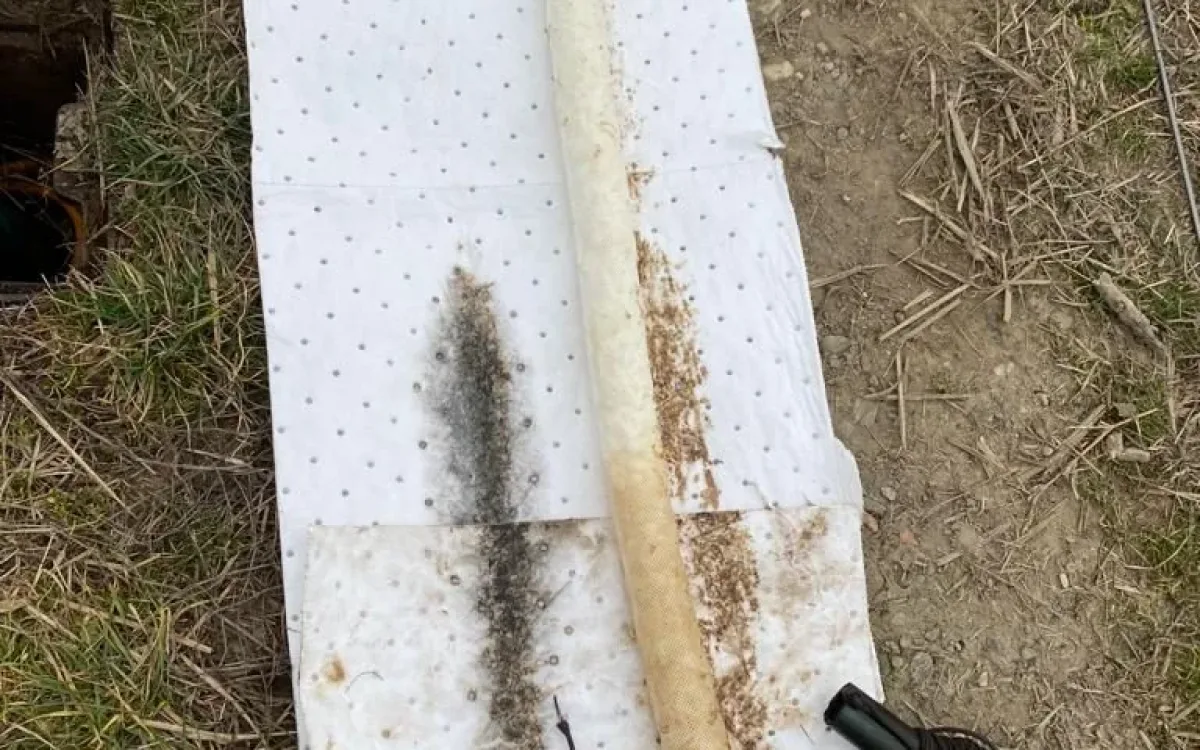
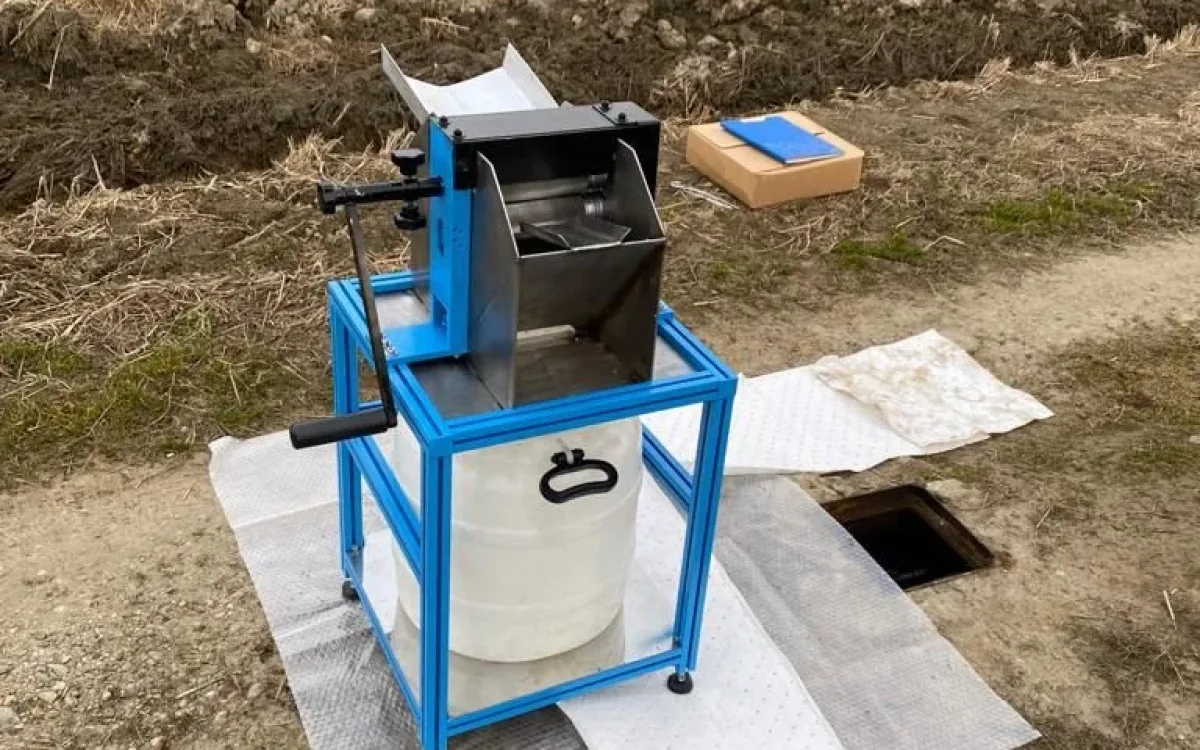
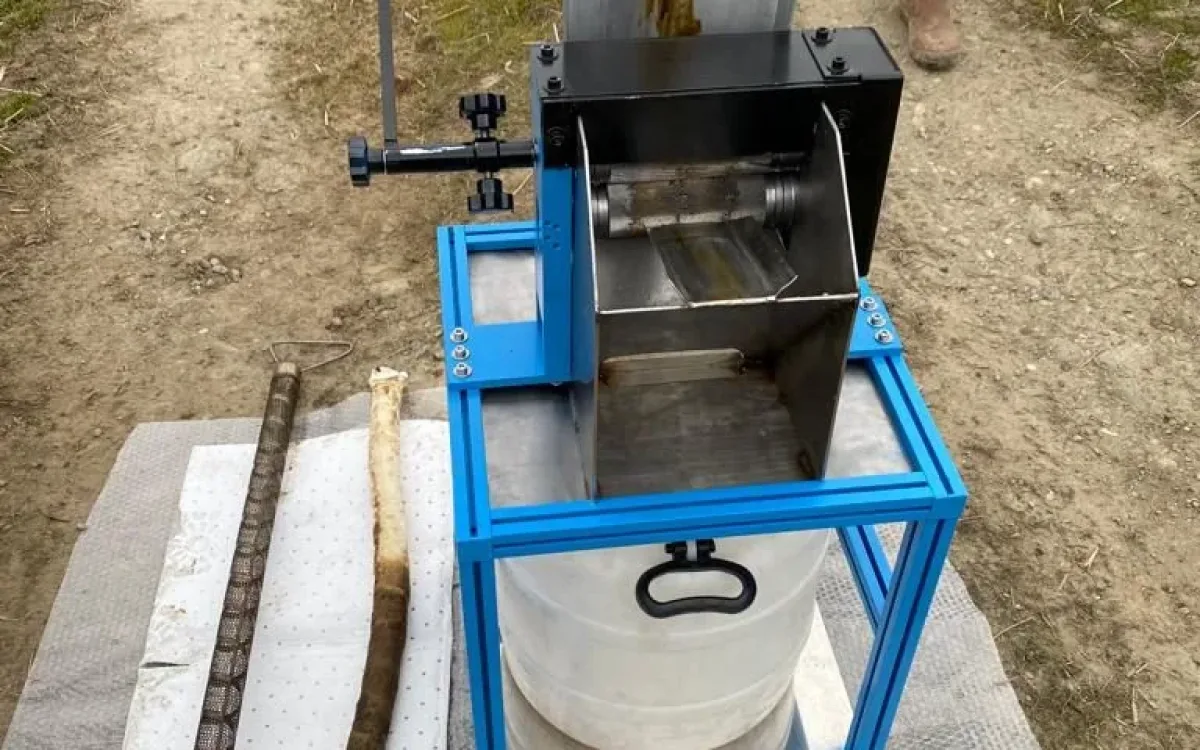
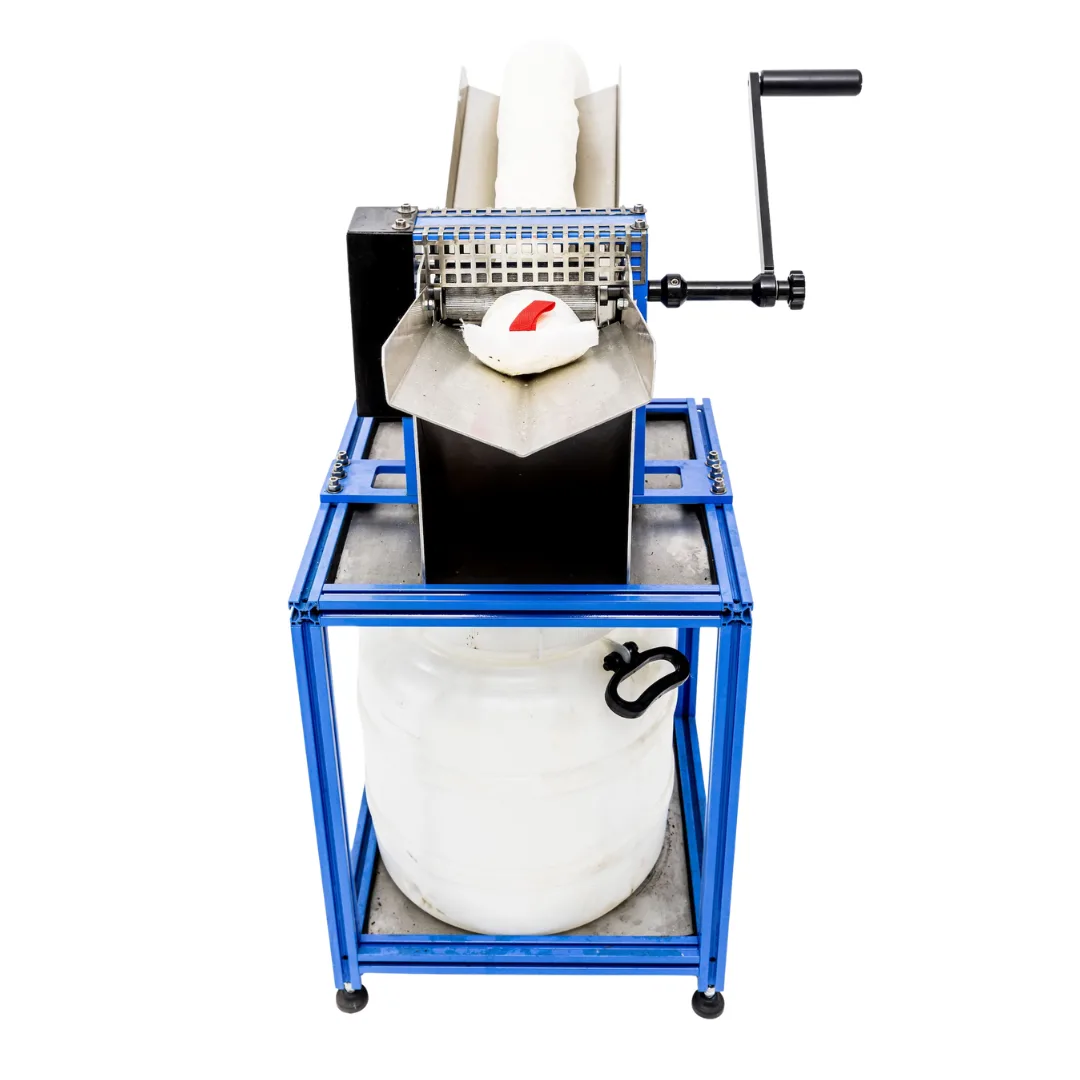
At Le Sodole, near Pontedera, floating diesel (free product, LNAPL) had to be recovered from piezometers, the monitoring wells of a contaminated site. T1 Solutions lowered a FoamFlex absorbent sock into each well to pick up the product selectively with very little water, then wrung the sock in a wringing unit to collect the oil and reuse the absorbent.
Groundwater remediation
Case type
Piezometers
Site
Floating diesel
Pollutant
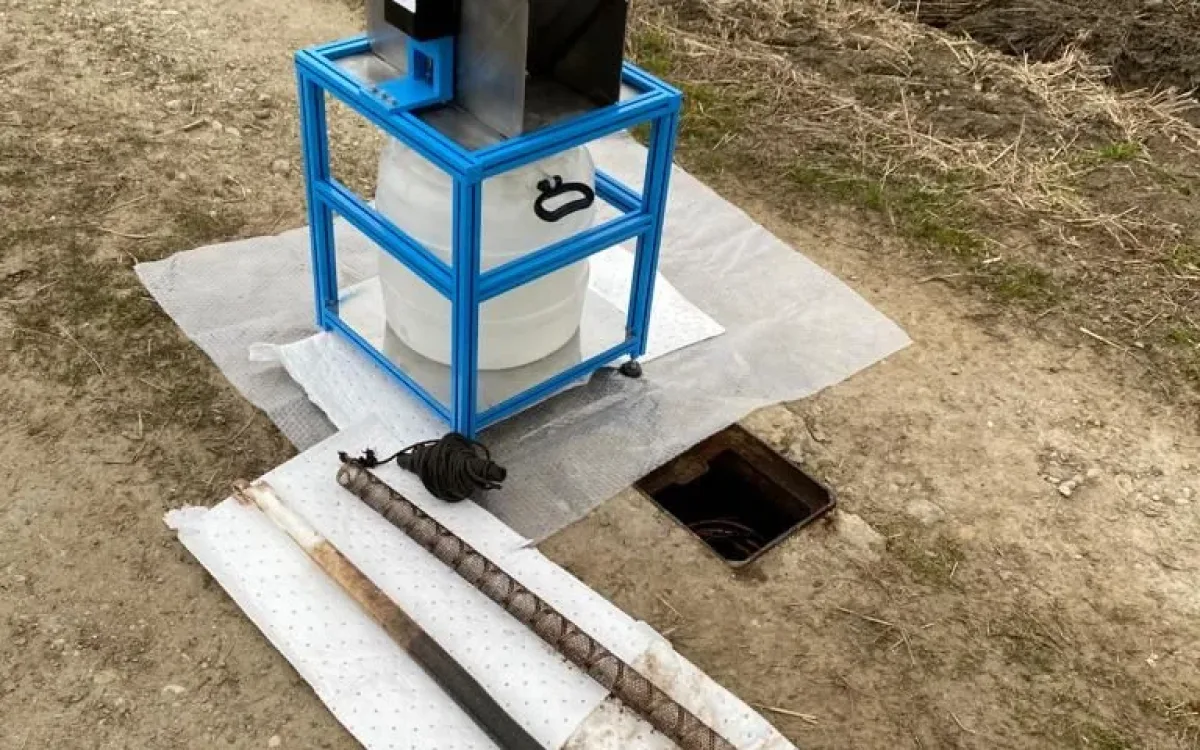
Sock and wringing unit
Method
.Challenge

Why is free product hard to remove from a monitoring well?

Groundwater remediation at Le Sodole called for a fast reduction of free product with as little water collected as possible. Single-use polypropylene (PP) membranes take up a lot of water, produce absorbent waste and need frequent replacement. Bailers are less selective when the free-product layer is thin, bring up more water to manage and take more labor.

The event in numbers
Free product removed at PZ27 and PZ32
0 %
To clear PZ32, with less than 2 cm of free product
0 min
Wringings of a single sock at PZ30, at most
Up to 0
Reduction at PZ30, with more than 50 cm of free product
0 %
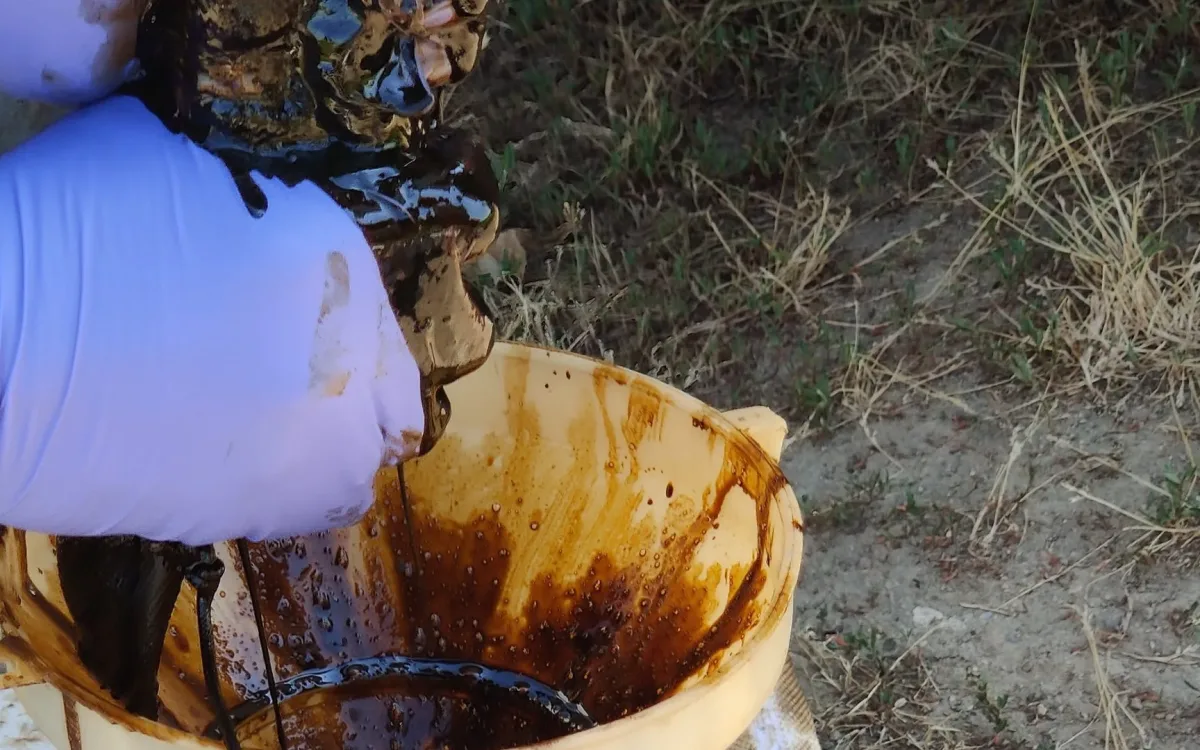
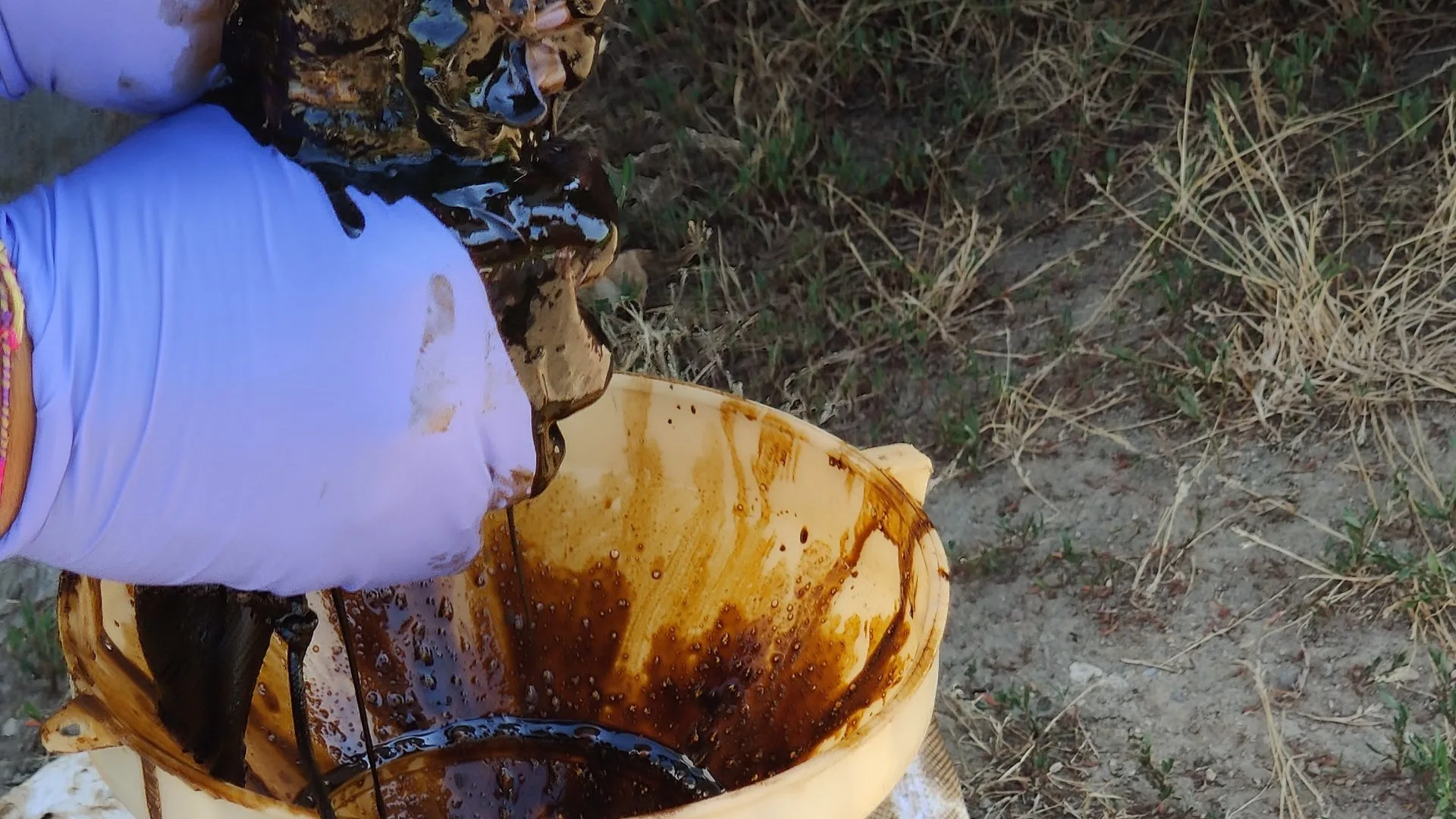
Gloved hand wringing oil-soaked absorbent sock into a funnel with recovered brown product
1
Oil-soaked absorbent sock
2
Gloved hand wringing the sock
3
Recovered product in the funnel
Field note · Reading the photo

The oil-soaked sock (1) is wrung by hand (2) and the recovered product collects in the funnel (3).

Field note · Reading the photo

The oil-soaked sock (1) is wrung by hand (2) and the recovered product collects in the funnel (3).

.Intervention

How was the diesel recovered?

A reusable FoamFlex sock picked up the floating product, and a wringing unit returned the oil to a container so the sock could go back in.

1

Lower the sock into the well

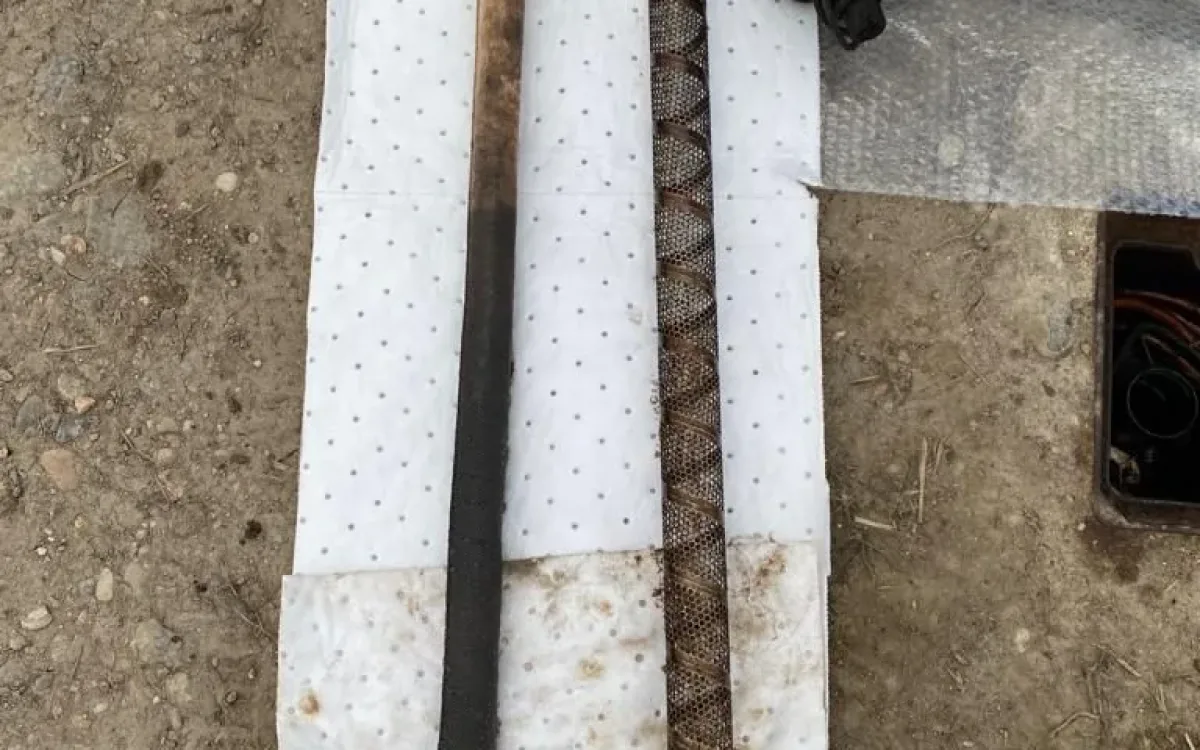
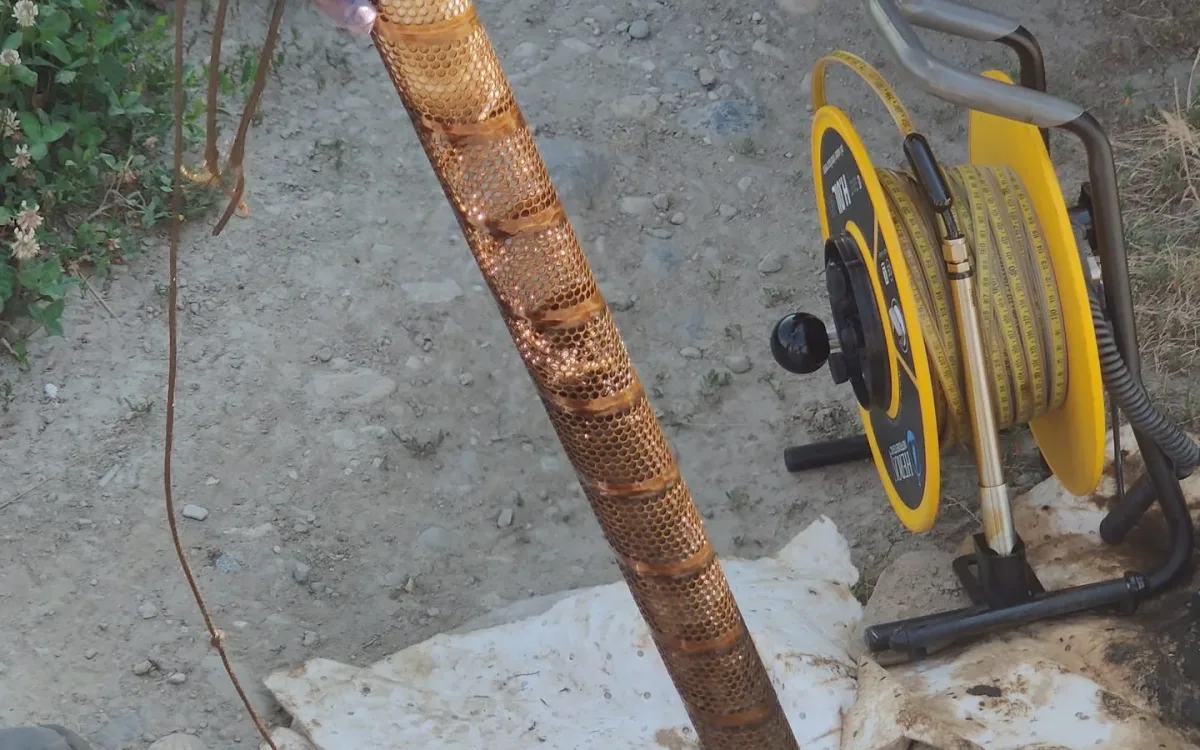
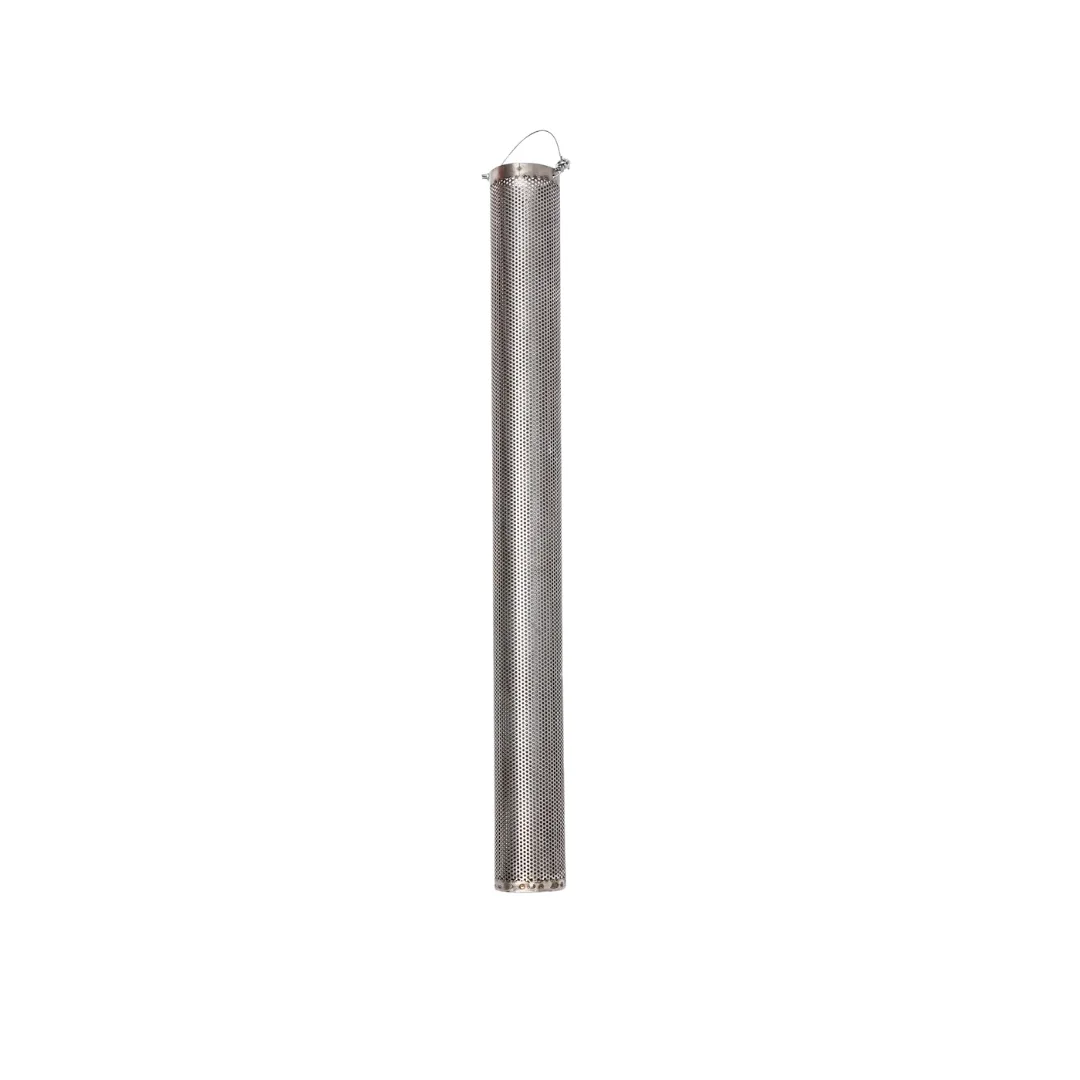
A FoamFlex absorbent sock, held in a protective cage, was lowered into the piezometer until it touched the floating product.

2

Wring the sock

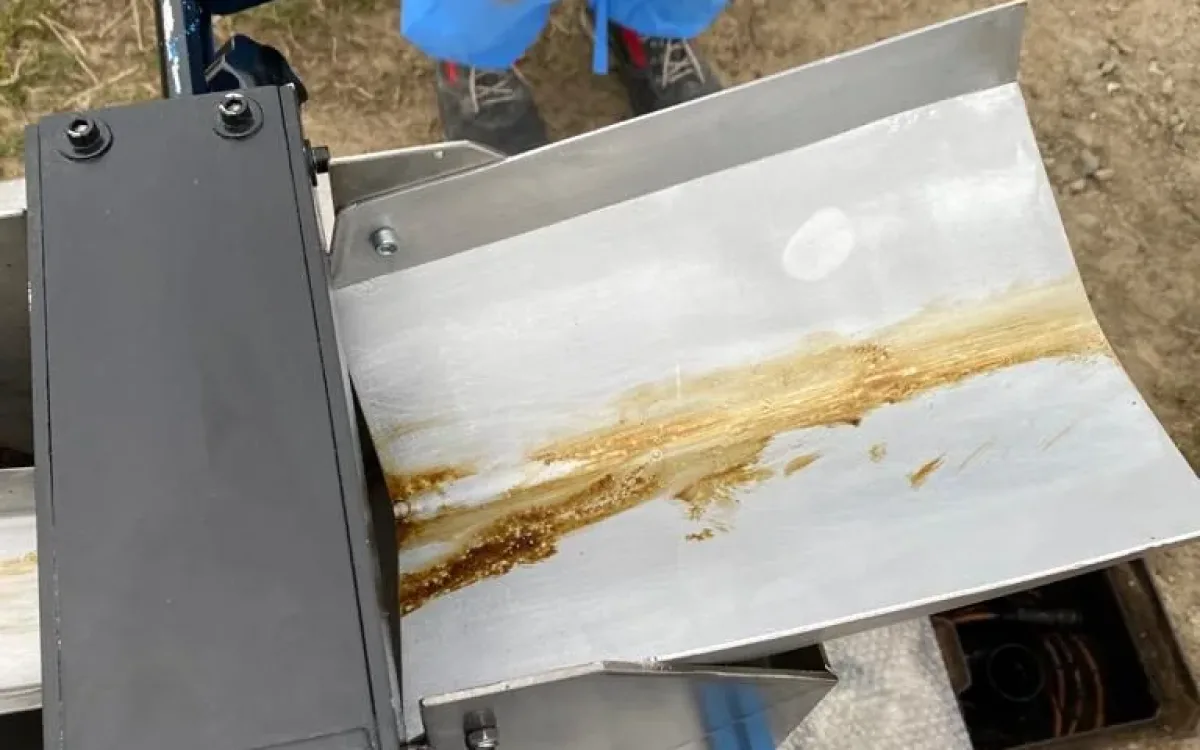
The sock was pulled out and wrung in the wringing unit, and the recovered product, mainly oil, ran into a container.

3

Repeat and reuse

The same sock went back into the well for further passes until the free product was gone, and was then reused.

.Results

What were the results?

Fast removal

PZ27, with less than 8 cm of free product: 100% removed in 3 passes of 3 minutes each, about 9 minutes. PZ32, with less than 2 cm: 100% removed in 2 passes of 3 minutes each, about 6 minutes.

Thick and thin layers

PZ30, with more than 50 cm: 48% reduction, even though the well recharged quickly and continuously. The method worked with both thick and very thin layers of free product.

Reuse and lab comparison

A single sock was wrung up to 15 times at PZ30, and solid and liquid waste generation was strongly reduced. In laboratory tests against PP membranes and bailers, FoamFlex took up about 2 times more net oil than PP (7.0 against 3.5 g/g, water excluded), about 87% less water (5.8 ml against 43.6 ml after immersion), needed about 73% less labor than the bailer and produced about 98.6% less solid waste than PP.

.Products used

Which products were used?

FoamFlex absorbent sock in a protective cage and the T1 manual wringing unit.

Compact and safe wringer for FoamFlex membranes in piezometers: extended reuse and clean liquid handling.

2.440,00 €incl. VAT
See how it works

Stainless steel cage in three sizes for the secure housing of FoamFlex membranes in 2'', 3'' and 4'' piezometers.

Price range: 488,00 € through 549,00 €incl. VAT
Reusable

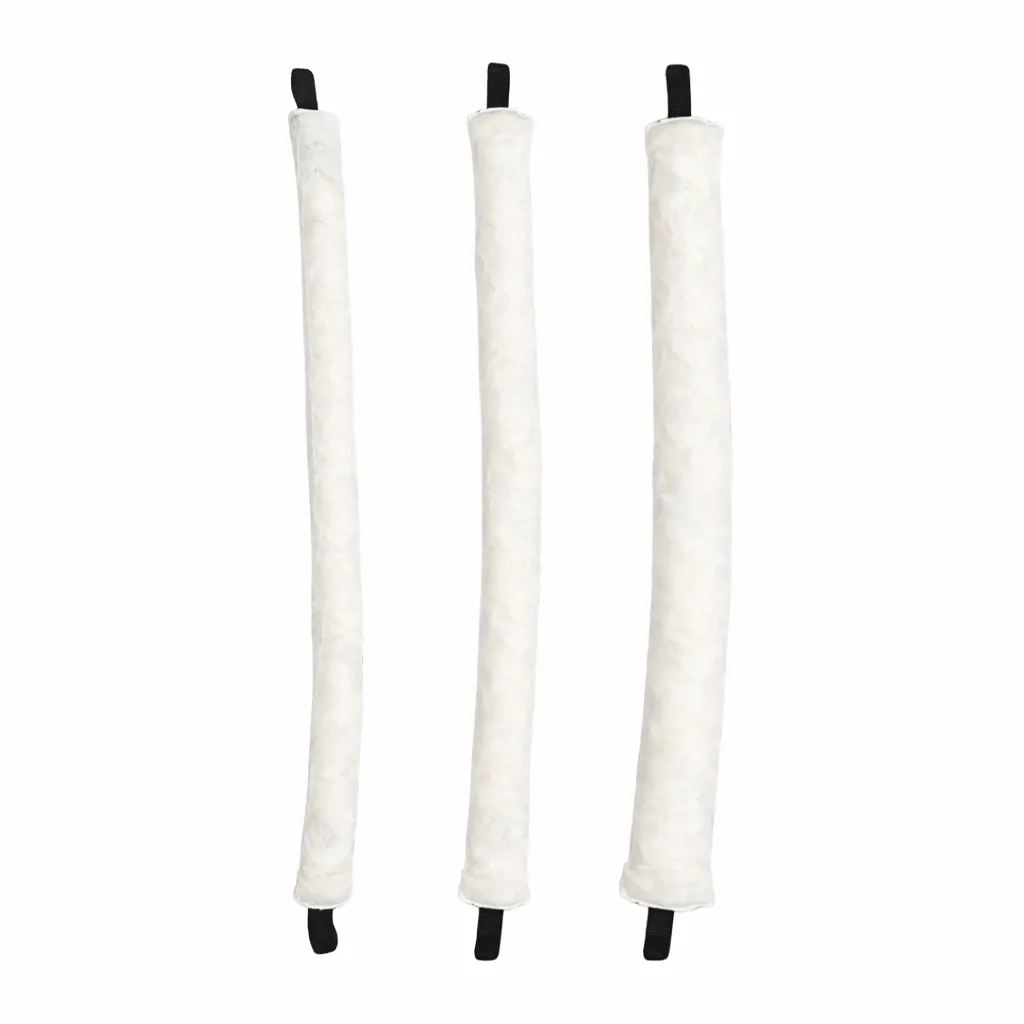
FoamFlex absorbent membrane for piezometers, available in three sizes: oil-selective, effective, and reusable.

Price range: 59,78 € through 71,98 €incl. VAT
.FAQ

Frequently asked questions

A FoamFlex absorbent sock in a cage is lowered into the piezometer, takes up the floating hydrocarbons selectively and is then wrung in a wringing unit. The recovered product was mainly oil, with very little water.

Yes. At PZ32, with less than 2 cm of free product, 100% was removed in 2 passes of 3 minutes each. It also worked with less than 8 cm at PZ27 and, with a 48% reduction, at more than 50 cm with fast recharge at PZ30.

Yes. A single sock was wrung up to 15 times in the field at PZ30. Each wringing returns the recovered product to a container and the sock goes back into the well, which means less disposable absorbent waste than with single-use PP membranes.

Talk to us about your own spill response

A T1 Solutions specialist helps you choose the right products for your site.