The diesel spill reached a sea discharge outlet, cre
Spills occurring near coastal areas present a particularly critical challenge, as contaminants can quickly reach the marine environment through drainage channels, discharge systems, and water runoff pathways. Even relatively small releases can become a significant environmental concern when located close to the shoreline, making rapid intervention essential.
In the Santa Margherita Ligure case, the priority was to establish continuous protection at the discharge point and intercept the diesel fuel before it could spread into the surrounding waters. It was also essential to maintain control of the affected area throughout the tank remediation process, preventing any residual releases from compromising the effectiveness of the containment effort.
Similar situations frequently occur in marinas and port environments, where vessels may generate small leaks of fuel, engine oils, and other hydrocarbon-based contaminants. For this reason, containment and prevention activities require reliable solutions that can be rapidly deployed and operate effectively in the presence of water.
ating a direct risk of contamination for the marine environment and surrounding port areas. The intervention required a rapid and effective response to limit the spread of hydrocarbons and protect the water surface.
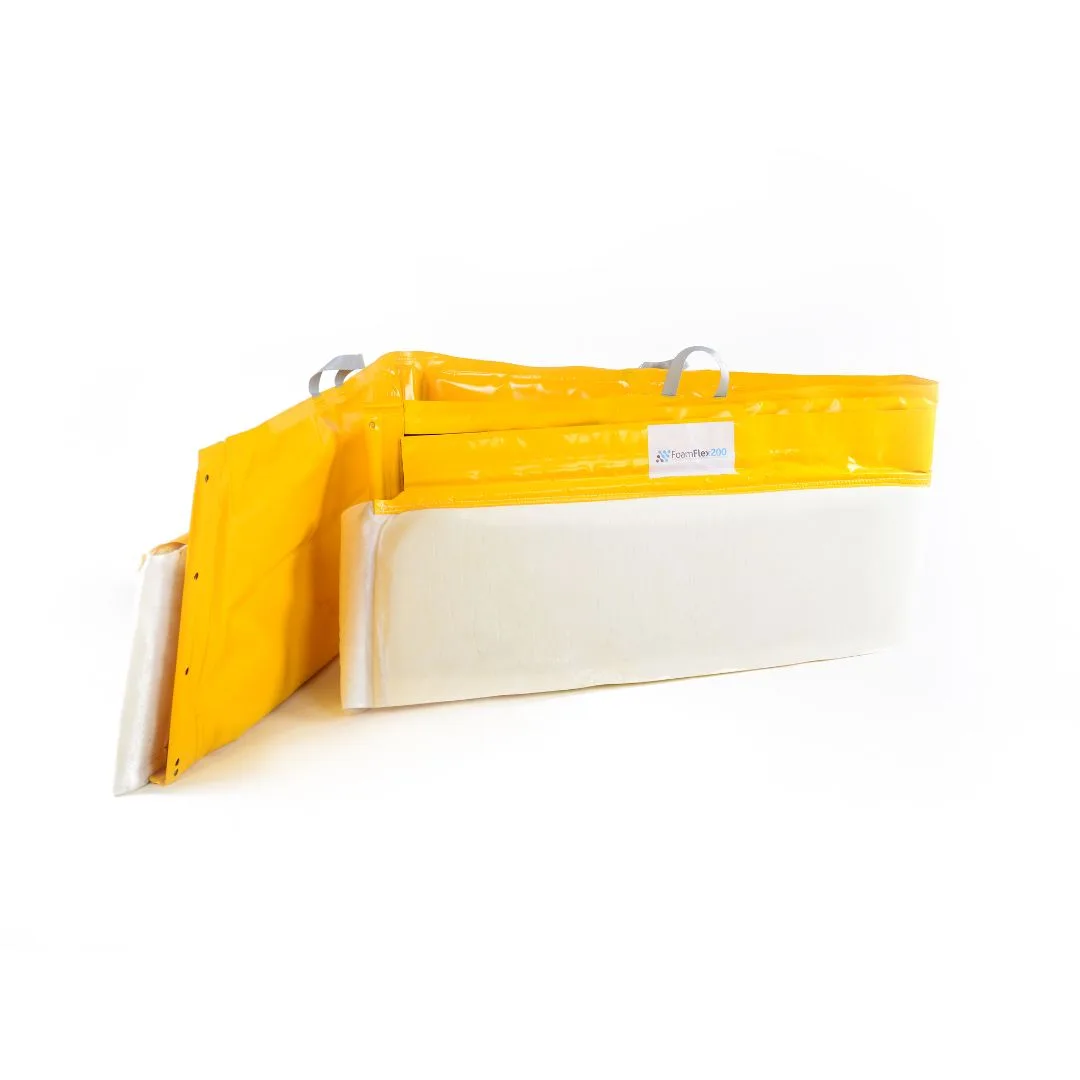
Operations focused on containing the contaminant at the discharge point and safeguarding the coastal area throughout the restoration and safety activities involving the damaged tanks. At the same time, FoamFlex systems are also used to protect nearby port areas in the presence of vessels affected by fuel and engine oil leaks.
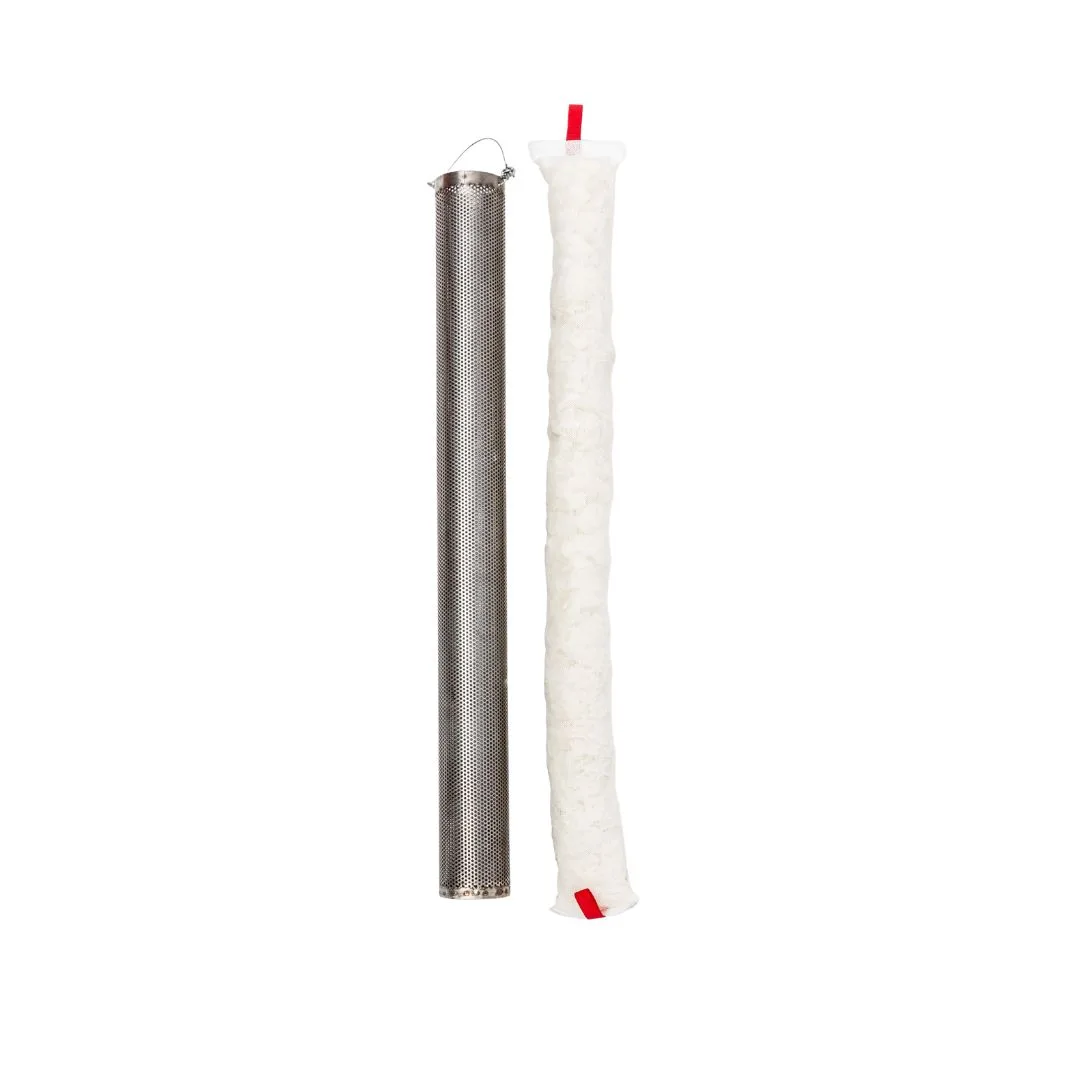
To manage the emergency, FoamFlex CRP20 absorbent pads were deployed at the sea outfall and along the areas affected by the movement of the contaminant. Thanks to their ability to selectively absorb hydrocarbons, the materials effectively captured the diesel fuel, limiting its dispersion and helping protect the surrounding marine environment.
The FoamFlex containment system remained in place throughout the remediation and securing of the damaged tanks, providing continuous protection of the critical discharge point and reducing the risk of further contamination. The intervention demonstrated how FoamFlex solutions can deliver an effective response to localized environmental emergencies by combining rapid deployment, reliable containment performance, and operational simplicity. The project also highlighted the versatility of FoamFlex technology, which is equally suitable for emergency spill response and ongoing environmental protection programs in sensitive coastal, marine, and port environments.