Case study · Remediation

Basilicata | Remediation of Basins Contaminated by Viscous Oils

In 2024, a remediation project was carried out at an industrial facility in the Basilicata region following the contamination of containment basins caused by leaks of highly viscous oils from a processing system. The characteristics of the contaminant, combined with the complexity of the affected area, required a tailored approach capable of delivering effective results in a challenging industrial environment. The objective was to remove the accumulated hydrocarbons while improving site conditions through a solution specifically designed to address the unique requirements of the application.
Remediation
Case type
Industrial facility
Site
Containment basins
Scenario
Viscous oils
Pollutant
Sector
.Challenge

Why are viscous oils hard to remove from containment basins?

Highly viscous oils represent one of the most challenging categories of hydrocarbon contamination to manage. Unlike lighter products, they tend to adhere strongly to surfaces, spread unevenly, and significantly slow down recovery operations. When contamination occurs within containment basins or collection areas, the complexity increases further, as the product can accumulate in hard-to-reach locations or mix with residues already present within the operational environment.

In these situations, conventional absorbent solutions may not provide the level of performance required to achieve efficient cleanup. Industrial sites often present unique operational constraints, making it necessary to adopt solutions that can be adapted to the specific characteristics of the contamination rather than relying on standard, one-size-fits-all products.

1
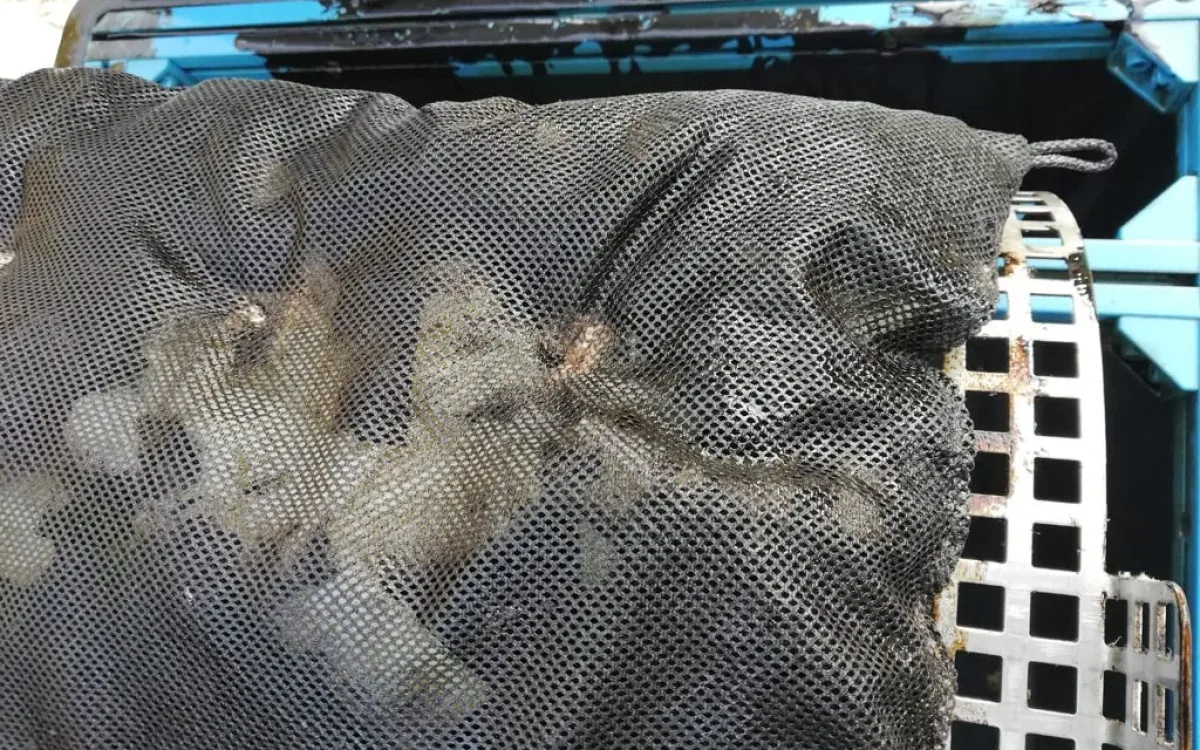
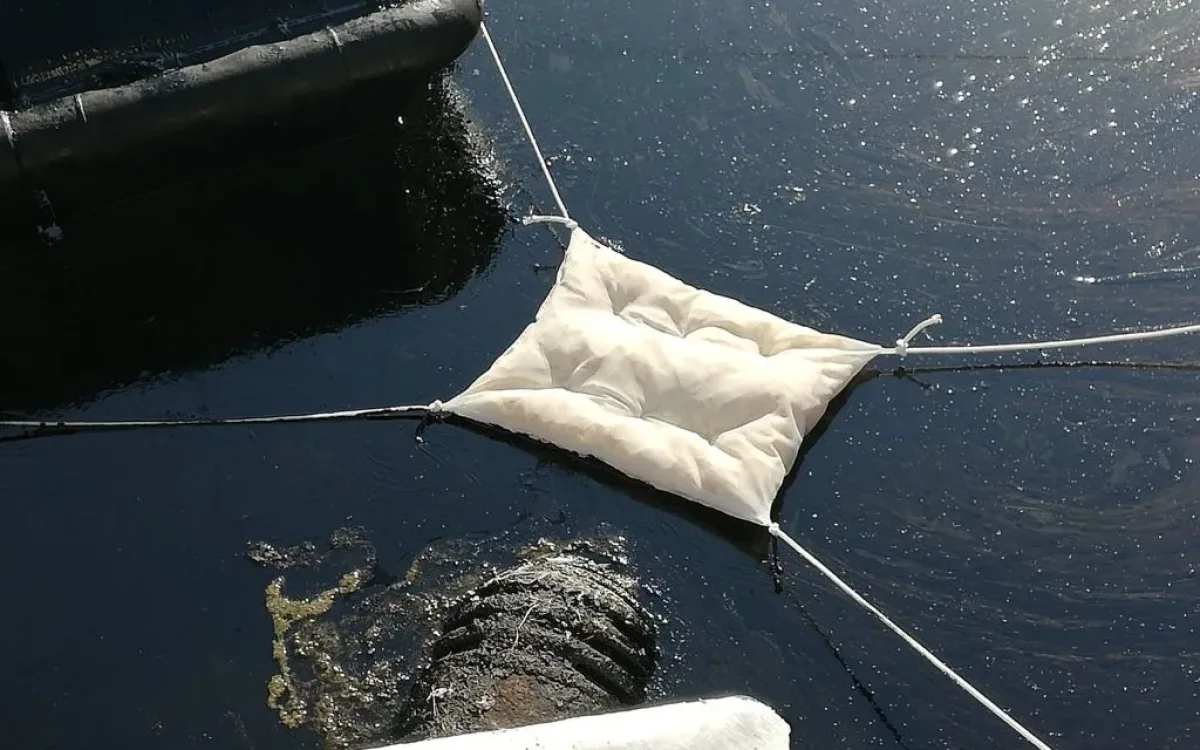
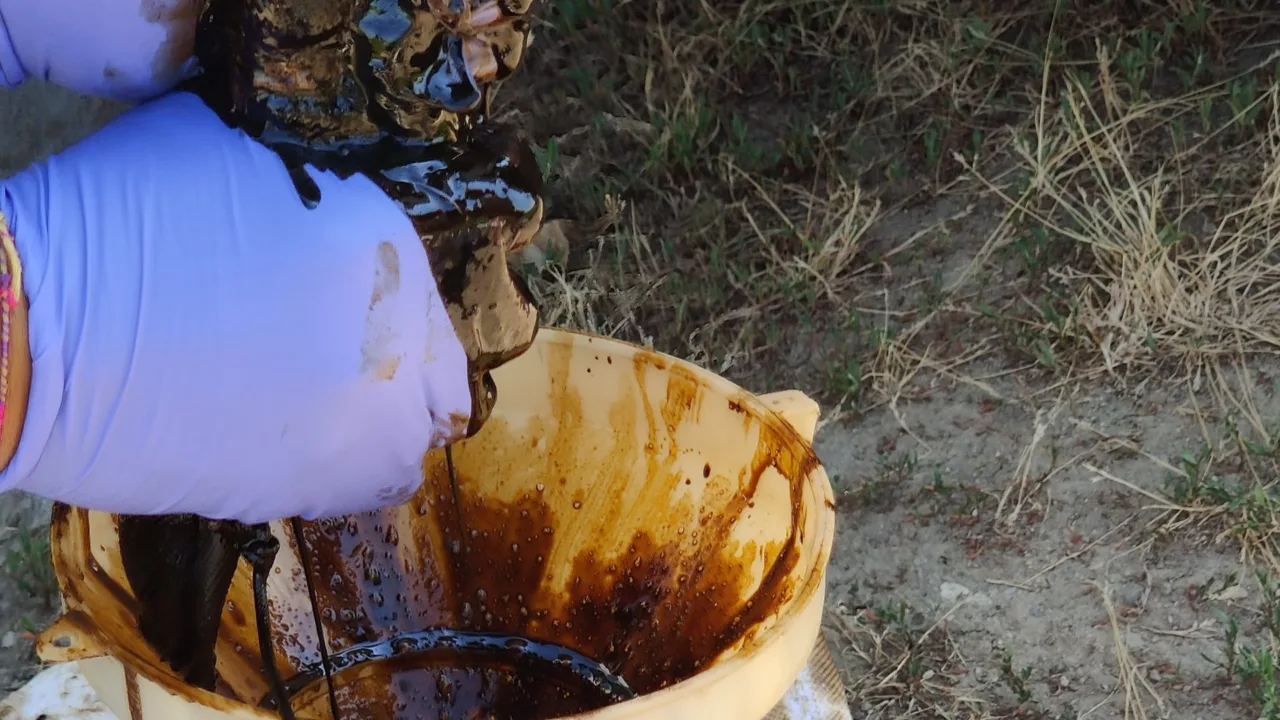
Absorbent pad in contact with the oil
2
Viscous hydrocarbons on the surface
Field note · Reading the photo

The material (1) rests on the viscous oils (2) because dense oils cling to surfaces and collect in hard-to-reach spots: direct contact is needed. That is why format and configuration were adapted to the site.

.Intervention

How were the basins remediated with FoamFlex?

The challenge in Basilicata was therefore not only to recover the hydrocarbons effectively, but also to develop a solution capable of maximizing contact with the contaminant and improving operational efficiency throughout the remediation process.

A

Develop custom FoamFlex solutions

To address these challenges, custom-designed FoamFlex solutions were developed specifically for the project. The absorbent products were engineered to optimize oil recovery performance and improve the management of contamination within the affected basins.

B

Adapt format, configuration and deployment

By adapting the format, configuration, and deployment method of the materials to the site’s specific conditions, operators were able to achieve more effective contact between the absorbent media and the viscous hydrocarbons.

C

Apply the tailored approach on site

This tailored approach enabled the full potential of FoamFlex technology to be applied within a highly specialized industrial environment, resulting in more efficient contaminant removal and improved operational outcomes.

.Results

What did the custom solution deliver?

Reusable materials, less waste

The use of reusable absorbent materials also helped reduce waste generation compared to traditional single-use alternatives, providing both environmental and operational benefits.

Customized solutions beyond standard applications

The Basilicata project demonstrates FoamFlex’s ability to go beyond standard spill response applications by delivering customized solutions for complex industrial challenges.

The value of product customization

The intervention highlights the value of product customization in increasing remediation effectiveness, supporting site-specific requirements, and providing practical solutions for managing difficult hydrocarbon contamination scenarios.

.Products used

Which products were used in Basilicata?

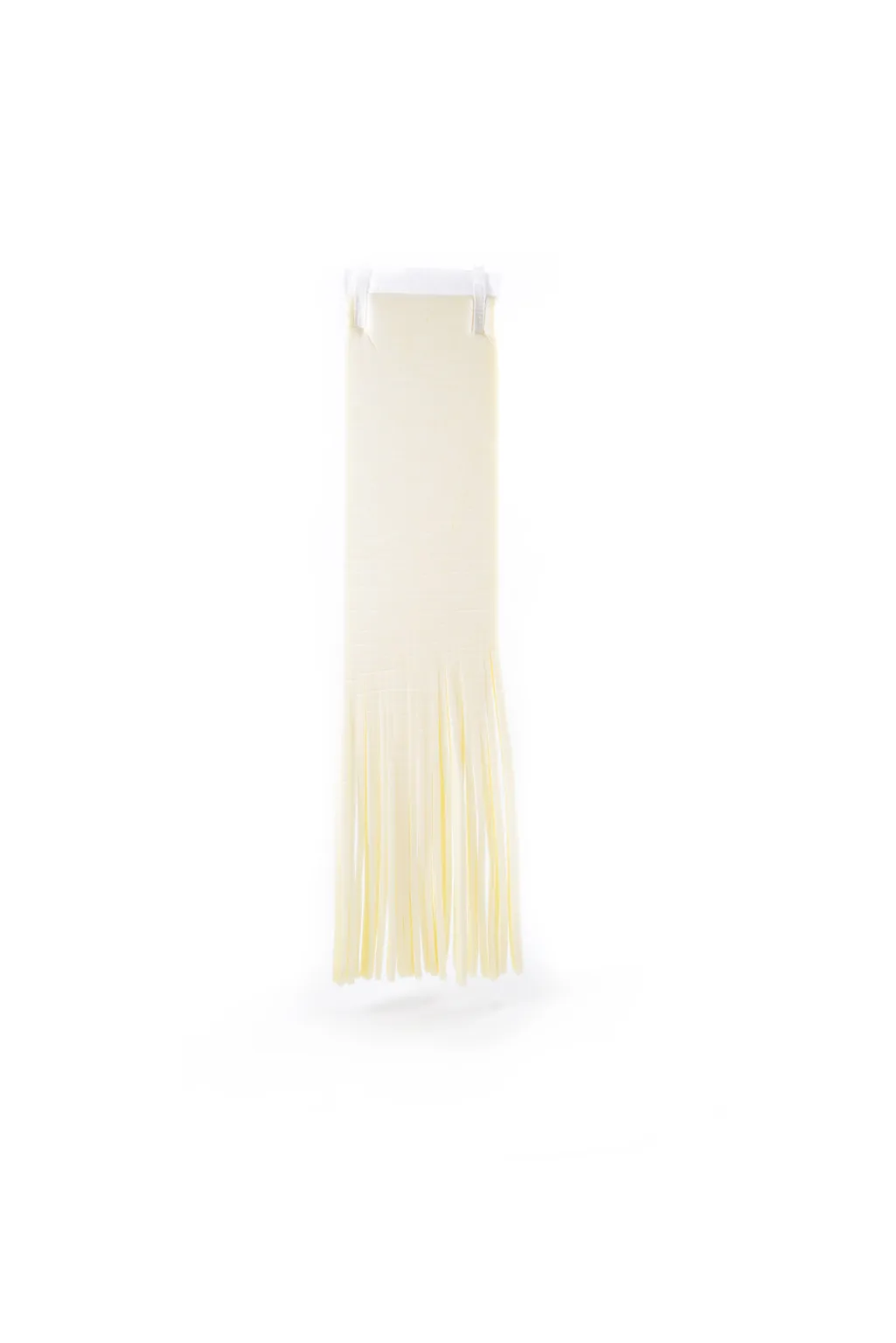
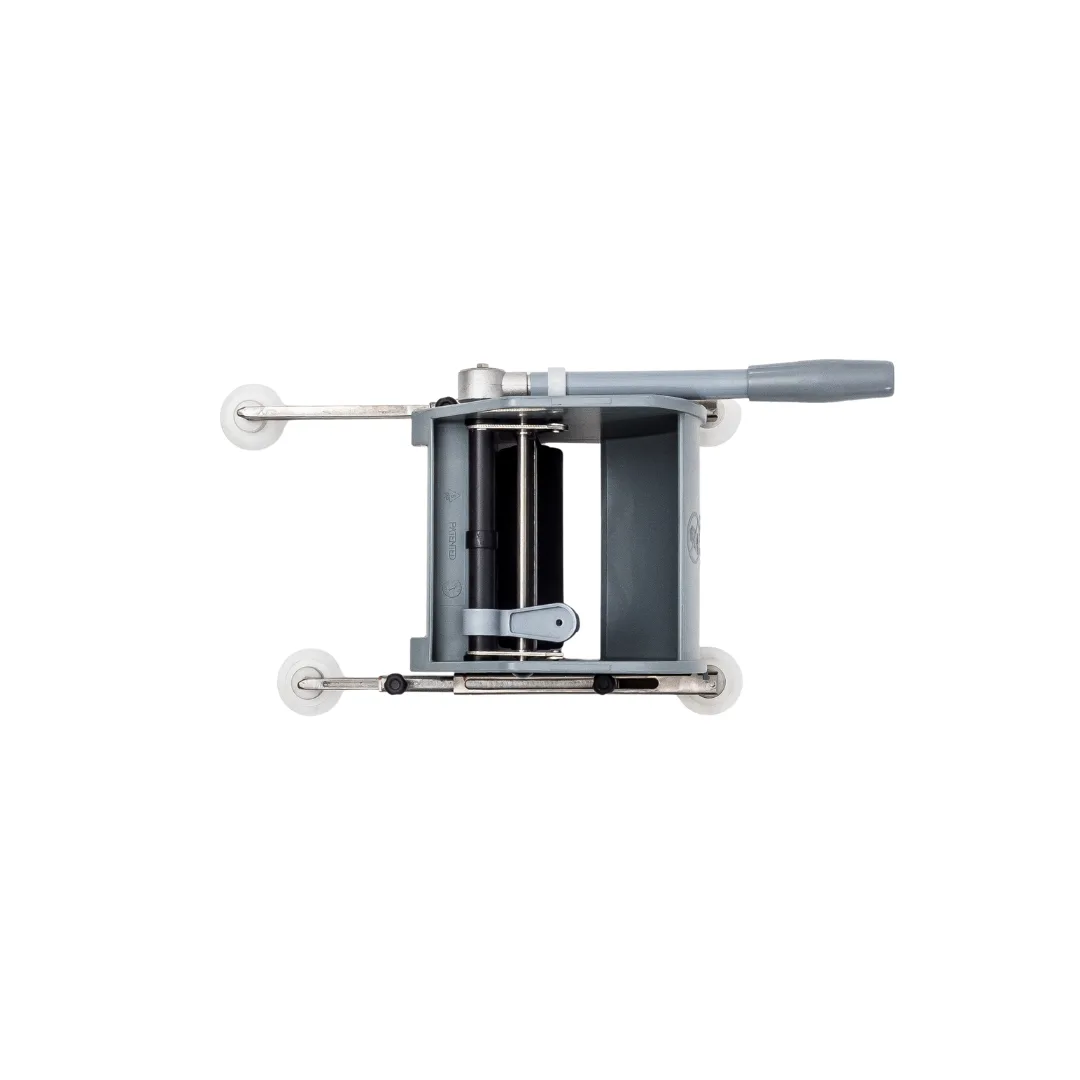
FoamFlex Carpet 2.0 (CRP), Carpet Filler Trawl (FRG20) and EcoDrum Roller FF (FF25).

Reusable

Towable FoamFlex for recovering light filler residues in water, suitable for both saltwater and freshwater.

192,76 €incl. VAT
See how it works

Professional FoamFlex wringer with adjustable frame, suitable for various drum sizes.

242,78 €incl. VAT
See how it works
Reusable

Reusable absorbent carpet with velcro and handles, ideal for all types of spills and compatible with FF-WRING.

Price range: 156,16 € through 268,40 €incl. VAT
.FAQ

Frequently asked questions

The intervention focused on cleaning basins contaminated by viscous hydrocarbons in an industrial environment.

Dense oils adhere to surfaces and accumulate inside basins, making traditional recovery operations slower and more complex.

The use of customised FoamFlex solutions simplified hydrocarbon recovery and reduced operational cleanup times.

.Related cases

More case studies

Capocaccia | Operational training for oil spill response in marine protected areas

As part of a program dedicated to the protection of Sardinia’s marine protected areas, an operational training exercise was organized in Capocaccia to enhance preparedness for hydrocarbon spill response. The initiative was designed to strengthen the technical and operational capabilities of organizations involved in oil spill prevention and emergency response in environmentally sensitive marine environments. Through practical demonstrations and simulated scenarios, the program promoted shared operational procedures and the use of effective tools for protecting coastal ecosystems and marine habitats.
Read the case study →
Gloved hand wringing oil-soaked absorbent sock into a funnel with recovered brown product

Free product recovery from piezometers at Le Sodole, Pontedera: diesel groundwater remediation with FoamFlex

At Le Sodole, near Pontedera, floating diesel (free product, LNAPL) had to be recovered from piezometers, the monitoring wells of a contaminated site. T1 Solutions lowered a FoamFlex absorbent sock into each well to pick up the product selectively with very little water, then wrung the sock in a wringing unit to collect the oil and reuse the absorbent.
Read the case study →

Palermo | Operational Spill Management in Port Areas

Environmental maintenance activities within the Port of Palermo require continuous management of hydrocarbon spills generated by vessels, port equipment, and daily operational activities. To support these efforts, environmental contractors regularly rely on FoamFlex systems for the containment and recovery of oil-based contaminants across port waters and operational areas. This project highlights how a proactive and ongoing approach to pollution control can help preserve water quality while improving the efficiency of routine environmental maintenance operations.
Read the case study →

Talk to us about your own spill response

A T1 Solutions specialist helps you choose the right products for your site.